
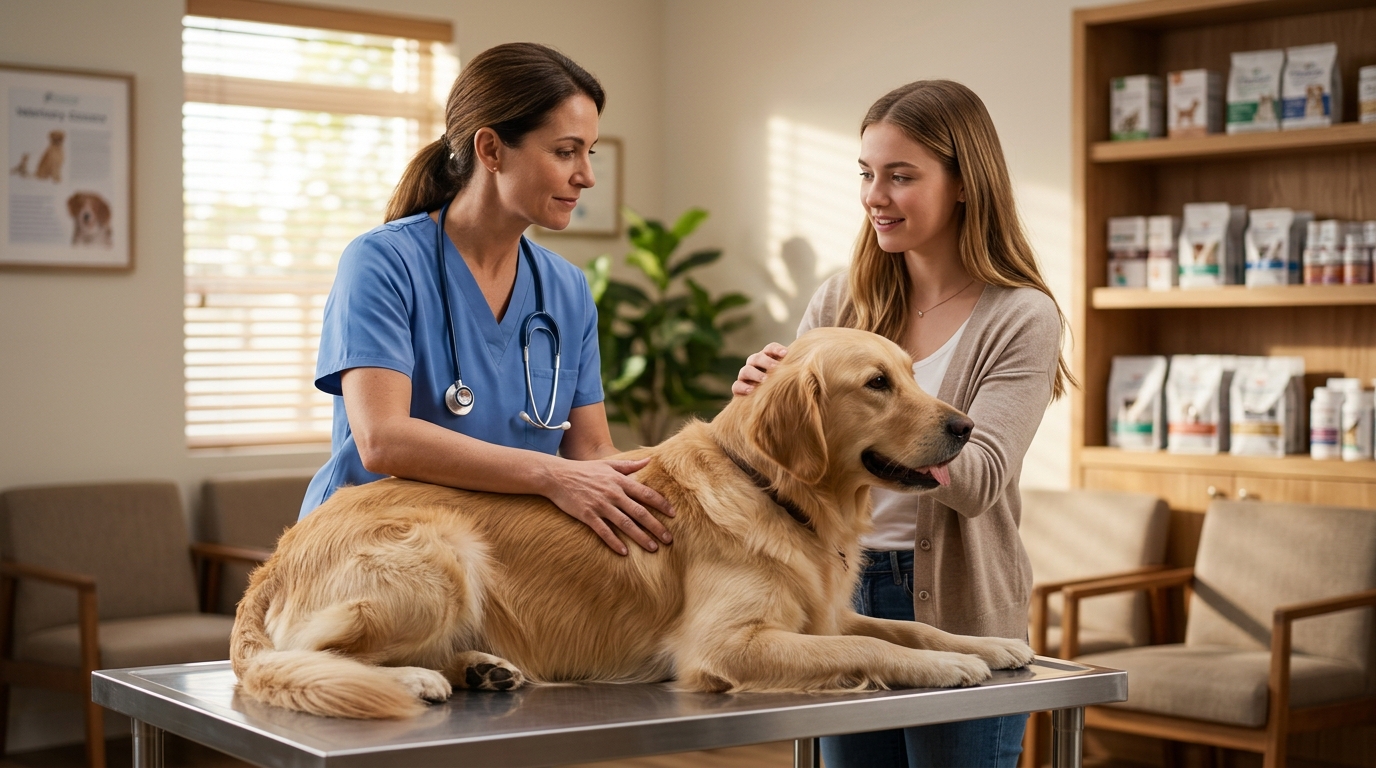
Finding the right general practice veterinary clinic can feel overwhelming when there are over 30,000 practices across the United States. General practice care is the foundation of your pet's lifelong health, covering everything from wellness exams and vaccinations to dental cleanings and minor surgeries. Whether you just adopted a puppy or you are relocating with a senior cat, choosing a clinic that meets your pet's needs is one of the most important decisions you will make as a pet parent. This guide walks you through what to look for, key quality indicators, and how to confidently search for top-rated veterinary clinics near you.
What Is General Practice Veterinary Care?
General practice veterinary care is the most common type of veterinary service, providing comprehensive medical care for cats, dogs, and smaller companion animals such as birds and rabbits. A general practice (GP) clinic handles wellness exams, vaccinations, dental care, and minor surgeries. Unlike specialty or emergency hospitals, GPs focus on preventive medicine and ongoing health management.
According to the American Veterinary Medical Association (AVMA), the majority of the more than 34,000 U.S. veterinary practices are small to mid-sized companion animal clinics staffed by one to three veterinarians. This makes the general practice setting the most accessible entry point for pet parents seeking routine care.
Why Choosing the Right General Practice Clinic Matters
Your general practice vet is your pet's primary healthcare provider. A strong veterinarian-client-patient relationship leads to earlier disease detection, consistent preventive care, and better long-term outcomes. The AVMA notes that pets today are living longer, healthier lives thanks to high-quality veterinary care and careful owner monitoring.
Choosing poorly can mean missed diagnoses, unnecessary costs, or added stress for your pet. Reading verified reviews from other pet parents on Pawgrades helps you avoid guesswork and select a clinic with a proven track record.
Key Quality Indicators to Look For

Accreditation and Credentials
Accreditation is a voluntary commitment to higher standards. A veterinary practice that has earned AAHA accreditation has been evaluated on nearly 900 total standards covering pain management, surgery, emergency care, and more. Only about 15% of U.S. practices hold this distinction, so it is a meaningful differentiator.
Staff Qualifications and Continuing Education
The best clinics invest in ongoing training. Ask how many licensed veterinary technicians are on staff and whether the veterinarians pursue continuing education through seminars or board certifications. The American Kennel Club recommends asking about education background and years of experience before committing to a practice.
Transparent Pricing and Communication
A quality clinic provides written estimates, explains procedures clearly, and discusses payment options upfront. Transparent communication is a hallmark of trustworthy veterinary care and one of the top factors pet parents mention in Pawgrades reviews.
Services Offered by Top General Practice Clinics
Not all general practice clinics offer the same range of services. The table below compares typical offerings you should expect from a well-equipped GP versus a basic clinic.
| Service | Well-Equipped GP | Basic GP |
|---|---|---|
| Wellness exams | Yes | Yes |
| Core vaccinations | Yes | Yes |
| In-house digital X-rays | Yes | Sometimes |
| Dental cleaning and extraction | Yes | Limited |
| Ultrasound and advanced diagnostics | Yes | Referral only |
| Minor soft-tissue surgery | Yes | Limited |
| Nutrition counseling | Yes | Rarely |
| Online appointment booking | Yes | Sometimes |
| After-hours emergency referral plan | Yes | Varies |
When you browse clinic profiles on Pawgrades, you can filter by services offered to match your pet's specific needs.
How to Evaluate a Veterinary Clinic Before Your First Visit
Read Reviews From Real Pet Parents
Online reviews are one of the fastest ways to gauge a clinic's quality. With over 200,000 reviews from pet parents, Pawgrades gives you an unbiased look at wait times, staff friendliness, treatment outcomes, and pricing transparency across more than 18,000 clinics nationwide.
Schedule a Tour
Before booking your first appointment, visit the facility in person. Observe whether the office is clean, well-organized, and equipped with modern tools. A clinic that welcomes tours is usually confident in the care it provides.
Ask the Right Questions
Prepare a short list: What are your emergency protocols? How many vets are on staff? Do you offer payment plans? These questions reveal how the practice handles both routine and unexpected situations.
Industry Trends Shaping General Practice in 2026
The veterinary industry is evolving rapidly. In 2023, there were 34,296 veterinary practices in the U.S., with approximately 362 new practices added each year since 2010 according to AVMA benchmarking data. Average clinic hours have expanded to 10 hours on weekdays in 2024, up from 9 hours the year before.
Technology adoption is accelerating. AI-powered scribes, digital radiography, and online scheduling are becoming standard. However, about 23.5% of practices still do not use a practice management system, which can affect record-keeping and client communication. Pet parents should consider tech-forward clinics that offer online booking, digital records, and telemedicine options for follow-up consultations.
Corporate consolidation is another trend to watch. Corporate entities now control an estimated 25 to 30% of all U.S. veterinary practices, up from roughly 10% a decade ago. While corporate clinics may offer extended hours and standardized protocols, independently owned practices often provide more personalized care and continuity with the same veterinarian.
Key Takeaways
- General practice veterinary care is the most common clinic type, covering wellness exams, vaccinations, dental care, and minor surgeries.
- AAHA accreditation signals a clinic meets nearly 900 quality standards, though only about 15% of practices hold it.
- The U.S. has over 34,000 veterinary practices, with an average of 362 new ones opening each year.
- Transparent pricing, clear communication, and modern diagnostic tools are hallmarks of a top-tier GP clinic.
- Reading reviews from real pet parents on platforms like Pawgrades removes guesswork from your decision.
- Corporate-owned clinics now represent 25 to 30% of the market; independently owned practices may offer stronger continuity of care.
- Tech-forward practices that use online scheduling, digital records, and AI diagnostics tend to deliver more efficient care.
Frequently Asked Questions
What is a general practice veterinary clinic?
A general practice veterinary clinic is a facility that provides comprehensive, routine medical care for companion animals. Services typically include wellness exams, vaccinations, dental care, parasite prevention, and minor surgeries.
How do I know if a veterinary clinic is reputable?
Look for AAHA accreditation, positive reviews from other pet parents, licensed staff, and transparent pricing. Platforms like Pawgrades let you compare clinics based on real feedback from over 200,000 reviews.
How often should my pet visit a general practice vet?
Most veterinarians recommend at least one wellness exam per year for adult pets and twice-yearly visits for senior pets or those with chronic conditions. Puppies and kittens need more frequent visits for their initial vaccination series.
What is AAHA accreditation?
AAHA accreditation is a voluntary certification from the American Animal Hospital Association. Accredited clinics have been evaluated on nearly 900 standards covering anesthesia, surgery, dentistry, emergency care, and patient management.
How much does a general practice vet visit cost?
Costs vary by region and clinic, but a standard wellness exam typically ranges from $50 to $150. Additional services like bloodwork, vaccinations, or dental cleaning will increase the total. Always ask for a written estimate before procedures.
Should I choose a corporate or independently owned veterinary clinic?
Both have advantages. Corporate clinics may offer extended hours and standardized care, while independent practices often provide more personalized attention and continuity with the same vet. Read reviews and visit both types to decide what works best for your pet.
What questions should I ask a new veterinarian?
Ask about emergency protocols, staff credentials, available diagnostic equipment, payment options, and how they handle referrals to specialists. A good clinic will answer these openly and provide written materials.
Can I find veterinary clinics with online booking near me?
Yes. Many modern clinics offer online scheduling. You can search for clinics with online booking on Pawgrades and filter results by location, services, and ratings.
Find Your Perfect Vet Today
Your pet deserves a veterinary clinic that combines skilled care, modern equipment, and genuine compassion. Stop guessing and start comparing. Search over 18,000 veterinary clinics on Pawgrades, read reviews from real pet parents, and book your next appointment with confidence.