

Knowing how much routine veterinary care costs helps you budget confidently and avoid surprises at the checkout counter. Whether you own a playful puppy or a senior cat, annual wellness exams, vaccinations, and preventive treatments are non-negotiable parts of responsible pet parenting. In 2026, prices continue to climb, but understanding the averages gives you a real advantage. This guide breaks down every common expense, compares costs by pet type and region, and shares practical ways to keep bills manageable while still giving your pet excellent care. Use Pawgrades to search over 18,000 veterinary clinics and read reviews before you book.
What Counts as Routine Veterinary Care?
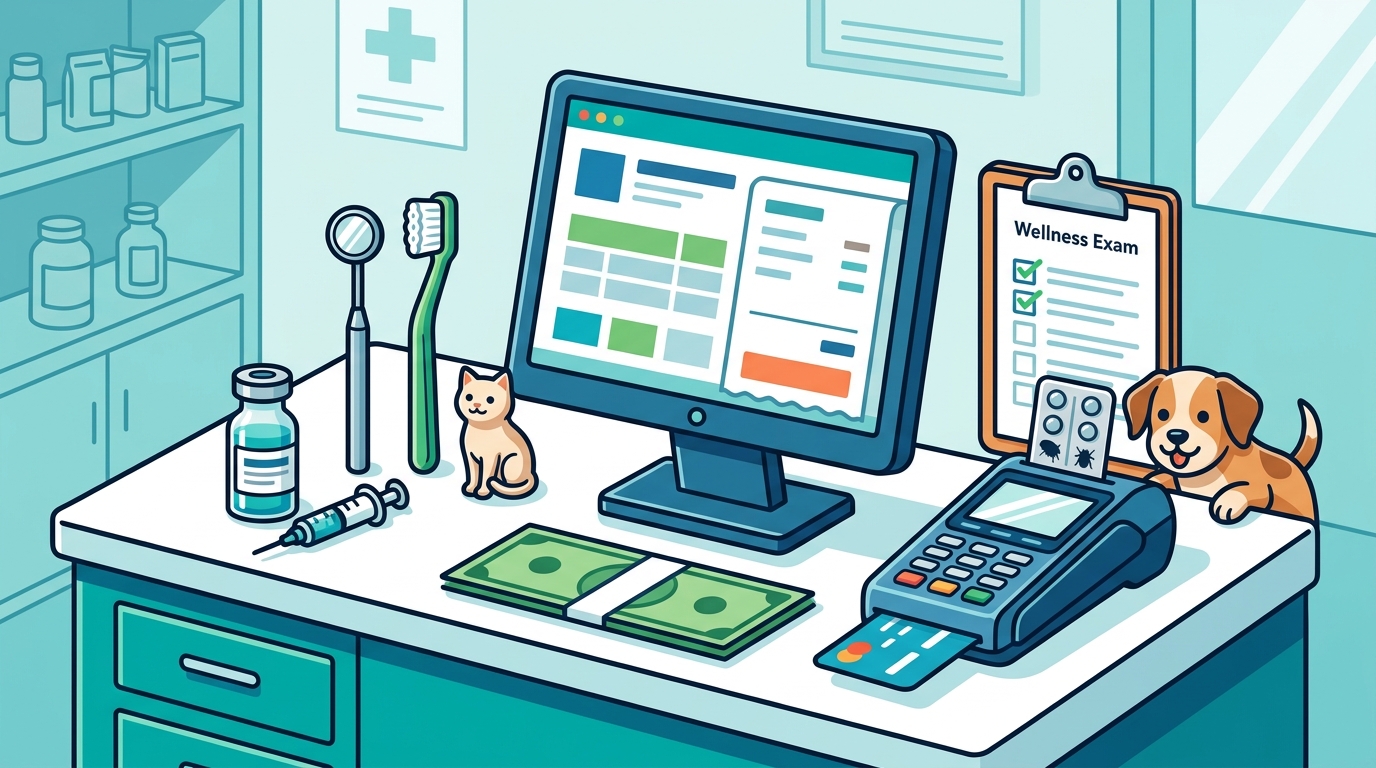
Routine veterinary care is the set of preventive health services your pet receives on a scheduled basis to maintain wellness and catch problems early. It typically includes annual wellness exams, core vaccinations, parasite screenings, dental assessments, and heartworm or flea prevention prescriptions.
A wellness exam is a comprehensive physical evaluation where the veterinarian checks your pet's vitals, eyes, ears, teeth, coat, and weight. Think of it as the pet equivalent of an annual physical for humans. These visits form the foundation of your pet's long-term health plan.
Average Costs for a Routine Vet Visit in 2026
A basic veterinary exam fee in 2026 typically ranges from $50 to $150, but a full routine visit with vaccines and tests often totals $70 to $250 or more. The national average routine visit spend is approximately $214 for dogs and $138 for cats, according to AVMA data.
The national routine exam-only average in 2026 is approximately $90 to $110 depending on metro influence. Once vaccines, bloodwork, and prevention products are bundled in, the full appointment can reach $150 to $400.
Cost Breakdown by Service
Understanding individual line items helps you anticipate your total bill. Below is a comparison table of common routine veterinary services and their typical 2026 price ranges.
| Service | Typical Cost Range | Frequency |
|---|---|---|
| Wellness Exam | $50 - $150 | 1-2x per year |
| Core Vaccinations (per round) | $20 - $60 | Annual or triennial |
| Heartworm Test | $35 - $75 | Annual |
| Flea/Tick Prevention (annual supply) | $100 - $250 | Monthly doses |
| Fecal Exam | $25 - $55 | Annual |
| Bloodwork Panel | $100 - $250 | Annual for seniors |
| Dental Cleaning | $200 - $700 | As recommended |
| Microchipping | $40 - $60 | One-time |
| Spay/Neuter | $150 - $600 | One-time |
Dental cleaning is one of the most variable expenses. Costs depend on your pet's size, the severity of tartar buildup, and whether extractions are needed. Always ask for an itemized estimate before the procedure.
First-Year Puppy or Kitten Costs
New pets need multiple vaccine rounds, spay or neuter surgery, and microchipping. Budget $400 to $800 for the first year of routine care alone, excluding food and supplies.
Senior Pet Costs
Senior pets, generally dogs over seven and cats over ten, often require biannual exams and bloodwork panels that add $150 to $350 annually on top of standard care.
Dogs vs. Cats: How Costs Compare
Dog owners consistently face higher veterinary bills than cat owners. The ASPCA estimates that dog owners pay roughly $225 per year for routine medical costs, while cat owners pay around $160. Larger dogs require higher medication doses and longer appointment times, which drives costs up.
At the exam level the difference is modest, often just $5 to $15. Bigger gaps appear during procedures that require anesthesia, where a dog's larger body weight increases drug costs and monitoring time. When comparing clinics, search for veterinarians on Pawgrades and filter by reviews that mention transparent pricing.
Regional Factors That Affect Pricing
Where you live is one of the biggest cost drivers. Urban clinics in cities like New York, Los Angeles, and San Francisco charge $80 to $130 for an exam alone. Meanwhile, states like Mississippi and Alabama average 18 to 22 percent below the national average, with exams as low as $40 to $65.
Veterinary pricing follows regional economic gravity. Higher commercial rent, labor costs, and demand density push urban prices upward. Lower-cost areas do not imply lower care quality; they simply reflect local economics. To compare clinics in your area, browse Pawgrades reviews by location and see what real pet parents report paying.
Why Vet Costs Keep Rising
According to Bureau of Labor Statistics data released in March 2026, veterinarian services were up 5.3% year over year. Increased demand for pet care, inflationary pressure on practice overhead, and advanced diagnostic technology all contribute to the upward trend.
How to Save Money on Routine Vet Care
Rising prices do not mean you have to skip essential care. Here are proven strategies to manage costs without compromising your pet's health.
Compare Clinics Before You Book
Prices vary widely even within the same city. Use Pawgrades to read reviews from 200K+ pet parents and identify clinics that offer fair pricing alongside quality care. Getting estimates from two or three clinics can reveal significant savings.
Ask About Wellness Plans
A wellness plan is a monthly membership that bundles exams, vaccines, and preventive treatments at a discounted rate. Many clinics offer these programs, and they can reduce annual out-of-pocket costs by 20 to 30 percent compared to paying per visit.
Consider Low-Cost Clinics and Vet Schools
Nonprofit clinics and veterinary teaching hospitals frequently offer routine procedures at 30 to 50 percent below private-practice rates. The work is performed by students under licensed faculty supervision, and quality remains high for preventive and diagnostic services.
Key Takeaways
- A basic vet exam costs $50 to $150 in 2026, but total routine visits often reach $70 to $250 once vaccines and tests are added.
- The national average annual routine vet spend is about $214 for dogs and $138 for cats.
- Costs vary significantly by geography; urban clinics charge up to double what rural practices charge.
- Dog care is consistently more expensive than cat care due to higher medication doses and longer visits.
- Veterinary service prices rose 5.3% year over year as of February 2026.
- Wellness plans, low-cost clinics, and vet schools are effective ways to reduce routine care expenses.
- Comparing clinics on Pawgrades helps you find transparent, well-reviewed veterinary care near you.
Frequently Asked Questions
How much does a routine vet visit cost in 2026?
A routine vet visit in 2026 typically costs between $50 and $250 depending on location, pet type, and the services included. The exam fee alone averages $50 to $150, while vaccines and tests add to the total.
Why are vet bills so expensive now?
Veterinary costs have risen due to inflationary pressures on practice operations, increased demand for pet care, and investments in advanced diagnostic equipment. BLS data shows a 5.3% year-over-year increase in vet services as of early 2026.
Is veterinary care more expensive for dogs than cats?
Yes. Dogs generally cost more because they require higher doses of medications and vaccines, longer appointment times, and more anesthesia for procedures. Routine annual costs average about $225 for dogs versus $160 for cats.
What does a wellness exam include?
A wellness exam includes a physical assessment of your pet's heart rate, breathing, temperature, weight, eyes, ears, mouth, coat, and skin. Your vet may also recommend vaccines, parasite screening, or bloodwork based on age and health status.
How can I find an affordable vet near me?
Start by comparing clinics on Pawgrades, where you can read reviews from real pet parents and identify vets known for fair pricing. Also consider wellness plans, low-cost nonprofit clinics, and veterinary teaching hospitals.
Are wellness plans worth it?
Wellness plans can save 20 to 30 percent on annual preventive care by bundling exams, vaccines, and screenings into a monthly fee. They work best for pet owners who keep up with regular annual or biannual visits.
How often should I take my pet to the vet?
Healthy adult pets should visit the vet at least once per year. Puppies, kittens, and senior pets benefit from more frequent visits, typically every six months or as recommended by your veterinarian.
Does pet insurance cover routine care?
Standard pet insurance policies focus on accidents and illnesses. However, many insurers offer optional wellness riders or add-ons that reimburse routine exam fees, vaccinations, and preventive screenings for an additional monthly premium.
Find the Right Vet at the Right Price
Do not let cost uncertainty keep you from giving your pet the care they deserve. Search veterinary clinics on Pawgrades, compare reviews from thousands of pet parents, and book your next appointment with confidence. Your pet's health starts with the right veterinarian.