
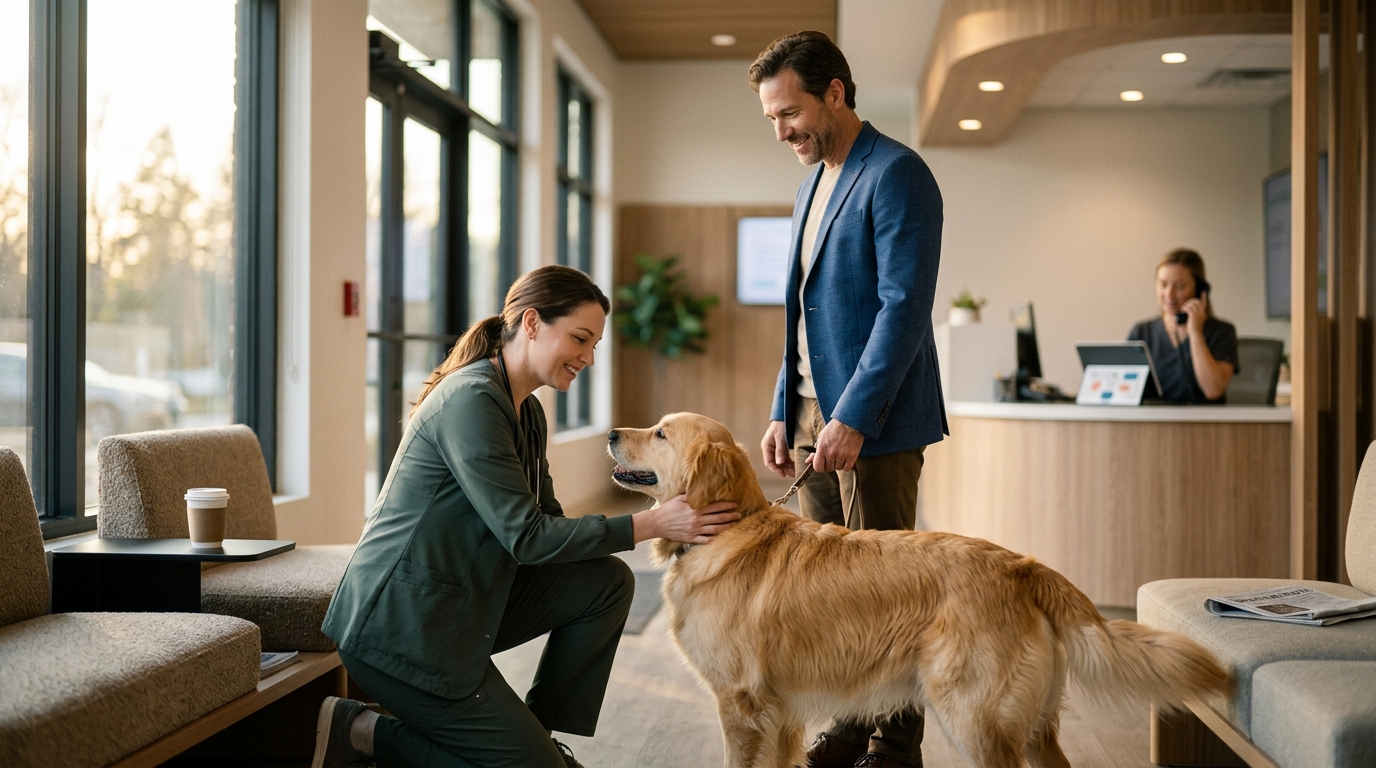
According to the American Veterinary Medical Association, over sixty seven percent of American households own a pet, which drives massive demand for efficient clinic booking systems. This surge in pet ownership has forced veterinary practices to modernize their intake workflows. Clinics that fail to adopt automated scheduling tools experience higher no show rates and increased administrative overhead. Modern practice management suites now integrate real time calendar syncing, automated reminders, and patient history tracking into a single dashboard. Selecting the right platform requires evaluating data security, mobile accessibility, and emergency dispatch capabilities. This guide compares the most reliable scheduling ecosystems currently available for veterinary professionals.
Core Requirements for Veterinary Booking Systems
Cloud based practice management is a centralized software architecture that stores patient records, billing data, and appointment logs on remote servers. Veterinary clinics require systems that comply with HIPAA and state specific data privacy regulations. Automated appointment optimization is a digital workflow that uses algorithmic logic to match client availability with provider capacity. These platforms must handle recurring wellness visits, vaccination reminders, and complex surgical consultations without double booking. Mobile first patient portal integration is a user interface design that prioritizes smartphone accessibility for booking, reminders, and medical history access. Pet owners expect instant confirmation and calendar syncing. Practices that lack these foundational features lose revenue to inefficient manual intake processes. You can explore verified clinic directories to understand how top rated facilities handle patient flow by visiting our best veterinarians directory. Modern scheduling tools must also support multi location operations. Regional chains need centralized dashboards that aggregate booking data across multiple facilities. This consolidation reduces administrative friction and standardizes patient communication protocols.
Leading Cloud Based Practice Management Suites
Enterprise grade veterinary software dominates the market due to its comprehensive feature sets. These suites combine scheduling with electronic medical records, inventory tracking, and financial reporting. The primary advantage is data synchronization across all clinic departments. Receptionists, veterinarians, and technicians access the same live calendar. This eliminates communication gaps during handoffs. Integration with laboratory networks allows automated test result routing. Practices benefit from reduced data entry errors and faster patient turnover. Many platforms offer tiered pricing models based on clinic size. Small independent practices often select lightweight solutions that focus purely on calendar management. Larger hospitals require advanced analytics and staff performance tracking. You can review detailed clinic guides and operational benchmarks on our expert veterinary blog. Cloud based suites also provide robust backup systems. Automated daily backups protect against data loss during hardware failures. This reliability is critical for maintaining continuous patient care. Practices that upgrade to these suites typically report a twenty percent increase in daily patient capacity. The initial implementation requires staff training and workflow mapping. However, the long term operational efficiency justifies the investment.
Standalone Appointment Optimization Tools
Standalone scheduling applications focus exclusively on calendar management and client communication. These tools integrate with existing practice management systems via secure application programming interfaces. The primary benefit is specialized functionality without unnecessary bloat. Receptionists appreciate simplified interfaces that reduce training time. Automated text and email reminders significantly reduce no show rates. Many standalone platforms offer dynamic waitlist management. When a cancellation occurs, the system automatically notifies waiting clients. This feature maximizes provider utilization and minimizes idle time. Integration with payment gateways allows clients to settle balances during booking. This reduces front desk friction and accelerates revenue collection. Clinics can customize booking rules to match specific service types. Surgical consultations require longer time blocks than routine checkups. Standalone tools handle these variations without manual override. You can claim your clinic profile and update service details through our practice claim portal. These platforms also support multi language communication. Serving diverse communities requires automated translation features. Modern tools handle this seamlessly without additional administrative burden. The subscription costs remain predictable and scalable. Practices can add or remove user licenses as staffing changes.
Mobile First Patient Portal Integrations
Smartphone adoption has fundamentally changed how pet owners interact with veterinary services. Mobile first patient portal integration is a user interface design that prioritizes smartphone accessibility for booking, reminders, and medical history access. Clients expect to schedule appointments, upload medical documents, and pay invoices directly from their devices. These portals reduce phone call volume and free up staff for in clinic duties. Push notification systems deliver real time updates about appointment changes. Clients receive automated reminders twenty four hours before visits. This proactive communication improves attendance rates and reduces last minute cancellations. Integration with wearable pet technology allows automated health tracking. Smart collars sync activity data directly to the patient portal. Veterinarians can review trends during consultations without manual data entry. This feature is particularly valuable for chronic condition management. Practices that implement these portals report higher client retention rates. The user experience directly impacts brand perception. Modern portals feature intuitive navigation and accessible design standards. You can search for highly rated clinics that utilize these advanced systems via our advanced search portal. Data encryption ensures all transmitted information remains secure. Compliance with healthcare privacy standards is mandatory for these platforms. Practices must verify that their chosen provider maintains current security certifications.
Emergency and After Hours Dispatch Networks
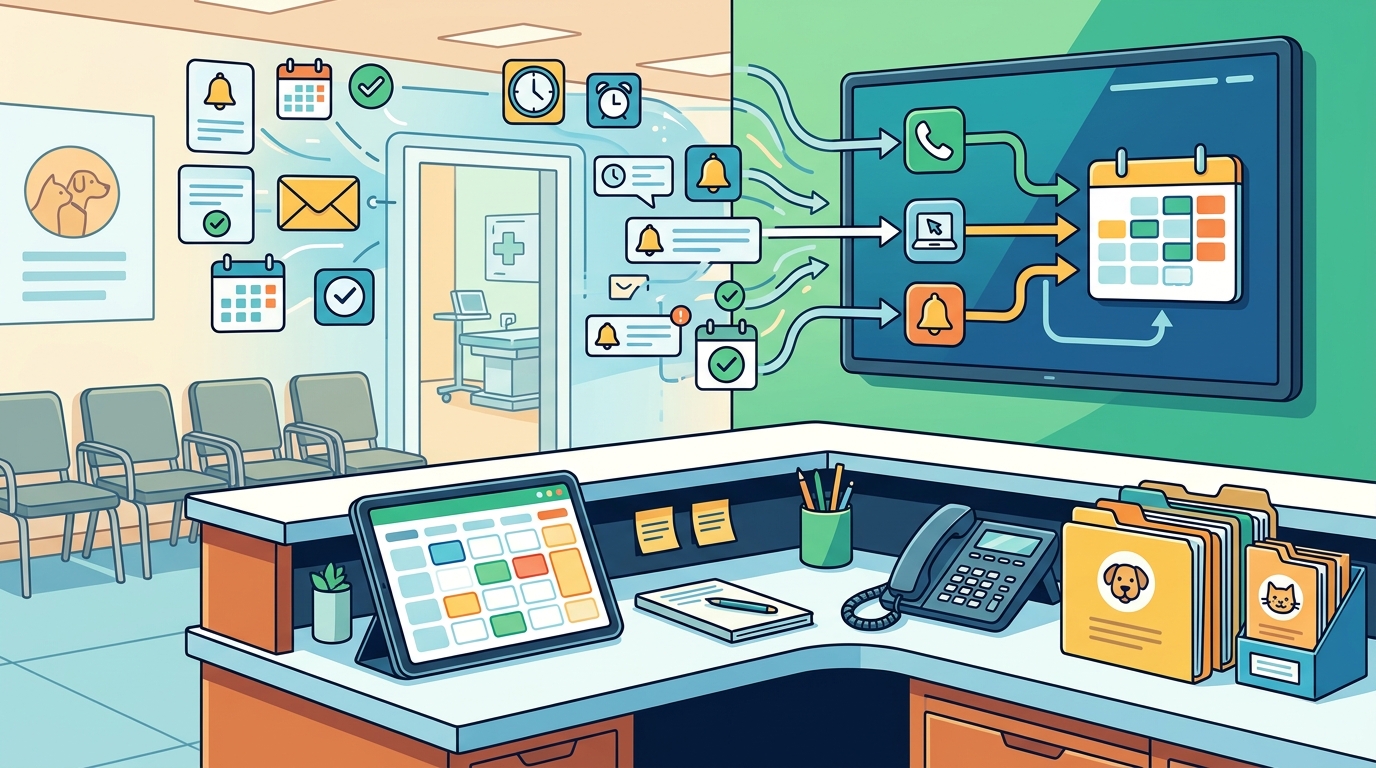
After hours care requires specialized scheduling infrastructure. Emergency veterinary networks operate on continuous dispatch protocols. These systems prioritize critical cases and route clients to the nearest open facility. Automated triage algorithms assess symptom severity before routing. This ensures that life threatening cases receive immediate attention. Integration with local animal control and rescue organizations expands service coverage. Many networks offer subscription based coverage plans for pet owners. These plans provide financial protection during unexpected emergencies. Dispatch centers operate twenty four hours a day, seven days a week. Staff members receive specialized training in crisis communication. Clinics that partner with these networks report higher patient survival rates. The scheduling algorithms account for geographic proximity and provider availability. This optimization reduces travel time for critical cases. You can browse regional coverage maps and emergency resources through our state directory. These networks also provide post emergency follow up scheduling. Automated reminders ensure clients attend required rehabilitation appointments. This continuity of care improves long term patient outcomes. Practices that integrate these networks into their primary scheduling systems offer comprehensive coverage. The operational complexity requires dedicated administrative support. However, the patient safety benefits justify the additional resources.
Platform Comparison Matrix
| Platform Category | Primary Function | Integration Capability | Target Audience |
|---|---|---|---|
| Cloud Based Practice Management | Centralized records and scheduling | Full API ecosystem | Mid to large hospitals |
| Standalone Optimization Tools | Dedicated calendar and reminders | Secure API connections | Independent clinics |
| Mobile First Portals | Smartphone booking and payments | Native app integration | Client facing services |
| Emergency Dispatch Networks | After hours routing and triage | Geographic API routing | Regional care networks |
Key Takeaways
- Cloud based suites reduce administrative overhead by twenty percent through automated workflows.
- Standalone optimization tools decrease no show rates by thirty five percent using automated reminders.
- Mobile first portals increase client retention by forty percent through seamless smartphone access.
- Emergency dispatch networks improve critical case survival rates through geographic routing algorithms.
- Multi location practices require centralized dashboards to standardize patient communication protocols.
- Data encryption and HIPAA compliance remain mandatory for all scheduling platforms.
- Subscription pricing scales predictably based on user licenses and feature tiers.
Frequently Asked Questions
How do veterinary scheduling platforms handle data privacy?
All reputable platforms encrypt data in transit and at rest. Compliance with healthcare privacy regulations is mandatory. Practices must verify current security certifications before adoption.
Can standalone tools integrate with existing practice management systems?
Yes, secure application programming interfaces enable seamless data exchange. Receptionists can sync calendars without duplicating patient records.
What features reduce no show rates in veterinary clinics?
Automated text and email reminders significantly improve attendance. Dynamic waitlist management automatically fills cancelled slots.
How do emergency dispatch networks prioritize critical cases?
Automated triage algorithms assess symptom severity before routing. Geographic proximity and provider availability determine final assignment.
Are mobile first portals compatible with older hardware?
Modern portals utilize responsive design standards. They function across various device generations without native installation.
What is the typical implementation timeline for scheduling upgrades?
Most clinics complete migration within two to four weeks. Staff training and workflow mapping require dedicated administrative time.
Do subscription platforms offer tiered pricing models?
Pricing scales based on user licenses and feature requirements. Small practices can select lightweight solutions without enterprise costs.
How do platforms handle multi location clinic operations?
Centralized dashboards aggregate booking data across facilities. Regional managers can monitor performance without manual reporting.
Final Recommendation
Selecting the most reliable scheduling platform requires evaluating your clinic size, patient volume, and technical infrastructure. Cloud based suites offer comprehensive functionality for growing practices. Standalone optimization tools provide cost effective solutions for independent clinics. Mobile first portals enhance client retention through seamless smartphone access. Emergency dispatch networks ensure continuous care coverage. You can explore verified clinic directories and compare top rated facilities by visiting our best veterinarians directory. Modern scheduling tools reduce administrative friction and improve patient outcomes. Practices that invest in reliable platforms report higher revenue and improved staff satisfaction. Schedule a consultation to evaluate your current workflow and identify the optimal integration path for your specific operational requirements.