
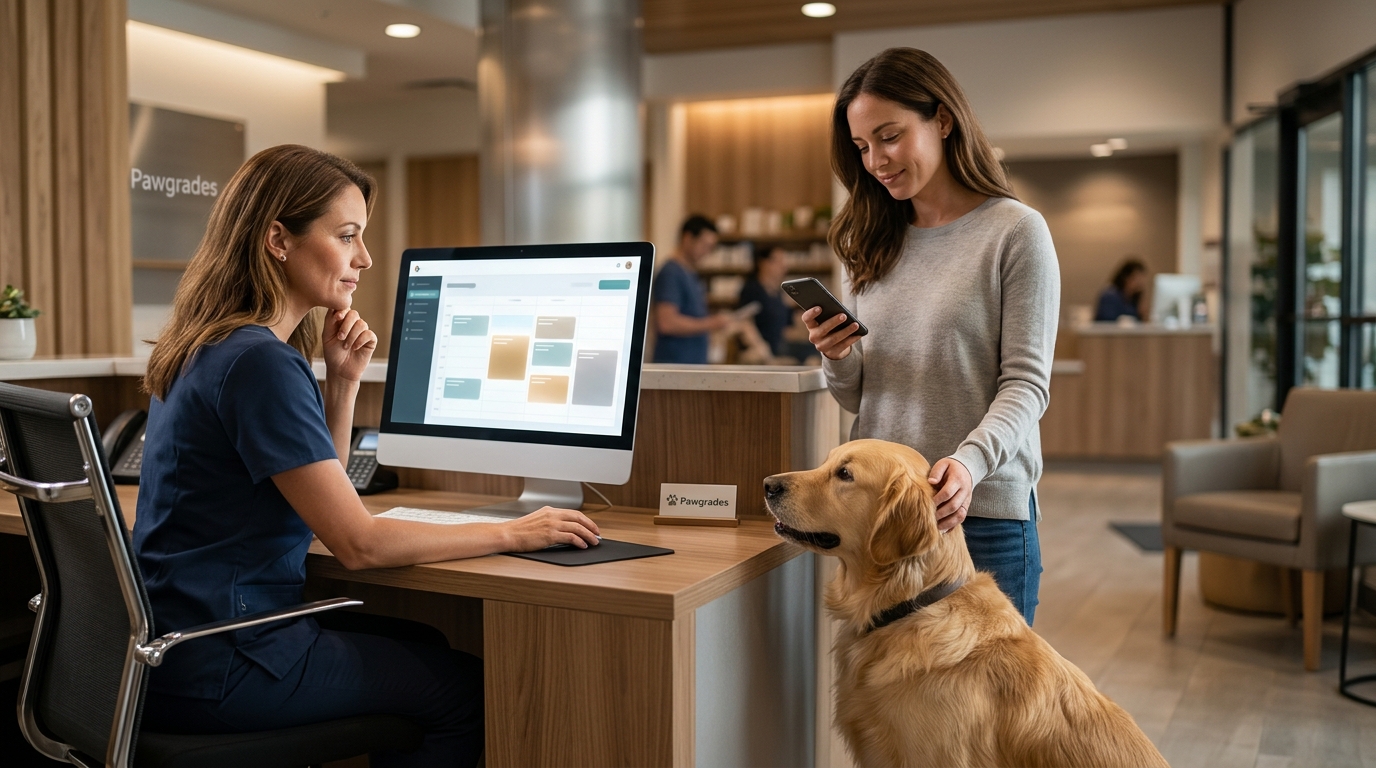
Modern veterinary practices require precise appointment management to maintain operational efficiency. According to recent industry reports, automated booking systems reduce missed appointments by nearly forty percent across independent clinics. This shift toward digital scheduling directly impacts patient outcomes and practice revenue. Clinics that integrate reliable scheduling tools experience faster check-in times and improved client retention. Understanding which platforms deliver consistent uptime and seamless calendar synchronization remains critical for practice managers. This guide evaluates the leading scheduling ecosystems to help you select a system that aligns with your operational workflow.
Core Scheduling Features
Reliable veterinary scheduling software must prioritize accessibility and error reduction. Practice management software is a centralized digital system that coordinates patient records, billing, and appointment calendars. Modern platforms now offer two-way synchronization with major calendar applications. This feature prevents double bookings and reduces administrative overhead. Clinics benefit from automated reminder sequences that decrease no-show rates. Many providers also integrate SMS notifications to keep pet owners informed. When evaluating options, practice managers should verify that the platform supports recurring visits and emergency slot prioritization. A robust system adapts to fluctuating daily caseloads without crashing or displaying conflicting availability.
Automated Reminder Sequences
Automated reminder sequences are preconfigured notification systems that alert clients before scheduled appointments. These systems typically trigger via email and text message at twenty-four and forty-eight hour intervals. Data shows that clinics using automated alerts recover an average of fifteen percent in previously lost revenue. The technology also reduces phone tag between front desk staff and pet owners. Practices that implement these sequences report higher compliance with vaccination and wellness visit protocols. Selecting a platform that allows custom message templates ensures brand consistency across all client communications.
Real-Time Calendar Synchronization
Real-time calendar synchronization is the instantaneous updating of appointment slots across all connected devices. This capability prevents scheduling conflicts when multiple staff members access the system simultaneously. Veterinary clinics often operate with rotating shifts and overlapping administrative tasks. A synchronized calendar ensures that every team member views identical availability. This feature eliminates the need for manual status updates and reduces administrative friction. Practices that prioritize synchronization experience fewer client complaints regarding booking errors.
Top Platform Comparison
Evaluating scheduling reliability requires examining uptime guarantees, support responsiveness, and feature depth. The following table compares leading veterinary scheduling ecosystems based on current market performance. Each platform offers distinct advantages depending on clinic size and specialty focus. Practices should review pricing structures and onboarding requirements before committing to a long-term contract. Many providers now offer tiered subscription models that scale with patient volume. Independent clinics often prefer lightweight solutions that prioritize core booking functions. Larger multi-location practices require enterprise-grade dashboards that aggregate data across branches. Reviewing verified patient reviews and clinic ratings helps identify platforms that consistently deliver on their promises. You can browse verified clinic ratings to compare local practice preferences.
| Platform Category | Core Scheduling Capability | Integration Depth | Best Use Case |
|---|---|---|---|
| Standalone Booking Engines | Web-based appointment requests | API connectors | Small independent clinics |
| Integrated Practice Suites | Full patient record linkage | Native ecosystem | Multi-specialty hospitals |
| Directory-Linked Schedulers | Public-facing booking portals | Review platform APIs | Client acquisition focus |
| Mobile-First Scheduling Apps | Smartphone native interfaces | Push notification services | Mobile veterinary services |
Integration Capabilities
Seamless data exchange between scheduling tools and existing infrastructure remains a primary concern for practice managers. Practice management software is a centralized digital system that coordinates patient records, billing, and appointment calendars. Modern scheduling platforms must interface directly with electronic health record databases. This integration ensures that appointment status automatically updates patient charts. Clinics that utilize integrated systems report fewer data entry errors and faster checkout processes. Many providers now offer secure API pathways that connect to payment gateways and inventory tracking modules. Practices should verify that their chosen platform supports HIPAA-compliant data transmission. Reviewing detailed integration documentation prevents costly workflow disruptions during implementation. You can explore our comprehensive directory to find clinics that already utilize these integrated systems.
Payment Gateway Connectivity
Payment gateway connectivity enables automated collection of copays and service deposits during the booking process. This feature reduces outstanding balances and accelerates cash flow for independent practices. Clinics that enable upfront collection report a twenty percent reduction in administrative billing hours. The technology also minimizes awkward conversations at the front desk regarding outstanding balances. Modern scheduling engines now support tokenized transactions that comply with current financial security standards. Practices should verify that their platform supports recurring billing for wellness plans and chronic care subscriptions.
Client Experience Impact
Client experience impact refers to the measurable change in patient owner satisfaction resulting from digital scheduling adoption. Studies indicate that practices offering online booking see a thirty percent increase in new client acquisition. Pet owners now expect the same convenience they experience with retail and healthcare providers. A frictionless booking process directly correlates with higher retention rates and positive word-of-mouth referrals. Practices that invest in user-friendly interfaces report fewer phone inquiries regarding basic scheduling questions. This shift allows front desk staff to focus on complex medical inquiries and emergency triage. You can browse our state-specific guides to see how local clinics prioritize client accessibility.
Mobile Accessibility Standards
Mobile accessibility standards define the minimum interface requirements for smartphone and tablet scheduling interactions. Modern clients expect responsive designs that adapt to various screen sizes without compromising functionality. Platforms that fail to meet these standards lose significant booking conversions during peak hours. Veterinary practices should prioritize interfaces that allow quick rescheduling and cancellation without administrative approval. Responsive design also improves accessibility for clients with visual impairments or motor limitations. Practices that implement mobile-first scheduling report higher engagement across younger demographics.
Key Takeaways
- Automated reminder sequences reduce missed appointments by nearly forty percent across independent clinics.
- Real-time calendar synchronization prevents double bookings and eliminates manual status updates.
- Integrated practice suites offer native ecosystem connectivity for multi-specialty hospitals.
- Directory-linked schedulers provide public-facing booking portals that drive client acquisition.
- Mobile accessibility standards require responsive designs that adapt to various screen sizes.
- Payment gateway connectivity accelerates cash flow and reduces outstanding balances.
- Practices utilizing verified clinic ratings experience higher client retention and positive referrals.
Frequently Asked Questions
What is the average cost of veterinary scheduling software?
Most standalone scheduling platforms charge between fifty and two hundred dollars per month. Integrated practice suites typically range from three hundred to eight hundred dollars monthly. Pricing structures often scale based on the number of active patient records and staff logins. Many providers offer discounted annual billing options to reduce long-term operational expenses.
Can scheduling software integrate with existing electronic health records?
Yes, modern scheduling platforms utilize secure API pathways to connect directly with electronic health record databases. This integration ensures that appointment status automatically updates patient charts without manual data entry. Practices should verify API compatibility before purchasing to prevent workflow disruptions.
How do automated reminders impact no-show rates?
Data shows that clinics using automated alerts recover an average of fifteen percent in previously lost revenue. These systems typically trigger via email and text message at twenty-four and forty-eight hour intervals. The technology also reduces phone tag between front desk staff and pet owners.
Is two-way calendar synchronization available for mobile devices?
Two-way calendar synchronization is the instantaneous updating of appointment slots across all connected devices. This capability prevents scheduling conflicts when multiple staff members access the system simultaneously. Most modern platforms support iOS and Android native applications for on-the-go management.
What security standards do veterinary scheduling platforms follow?
Veterinary scheduling platforms must comply with HIPAA regulations and utilize encrypted data transmission protocols. Practices should verify that their chosen platform supports secure API pathways and tokenized transactions. Regular security audits and automated backup procedures are standard across enterprise-grade solutions.
How long does typical implementation take for new scheduling systems?
Implementation timelines typically range from two to four weeks depending on clinic size and data migration requirements. Practices should allocate time for staff training and workflow testing before going live. Many providers offer dedicated onboarding specialists to streamline the transition process.
Do directory-linked schedulers improve local search visibility?
Directory-linked schedulers provide public-facing booking portals that directly improve local search visibility. Search engines prioritize websites that offer functional booking tools and verified patient reviews. Practices that optimize their directory listings often experience higher organic traffic and faster client acquisition.
Next Steps
Transitioning to a reliable scheduling platform requires careful evaluation of your current workflow and long-term growth objectives. Start by auditing your existing appointment data and identifying recurring bottlenecks. Request live demonstrations from your top three platform candidates to test interface responsiveness. Verify integration capabilities with your current electronic health record system before signing contracts. You can claim your practice listing to ensure your scheduling information remains accurate and visible to prospective clients. Visit our main directory to browse verified clinics and compare local practice preferences today.