
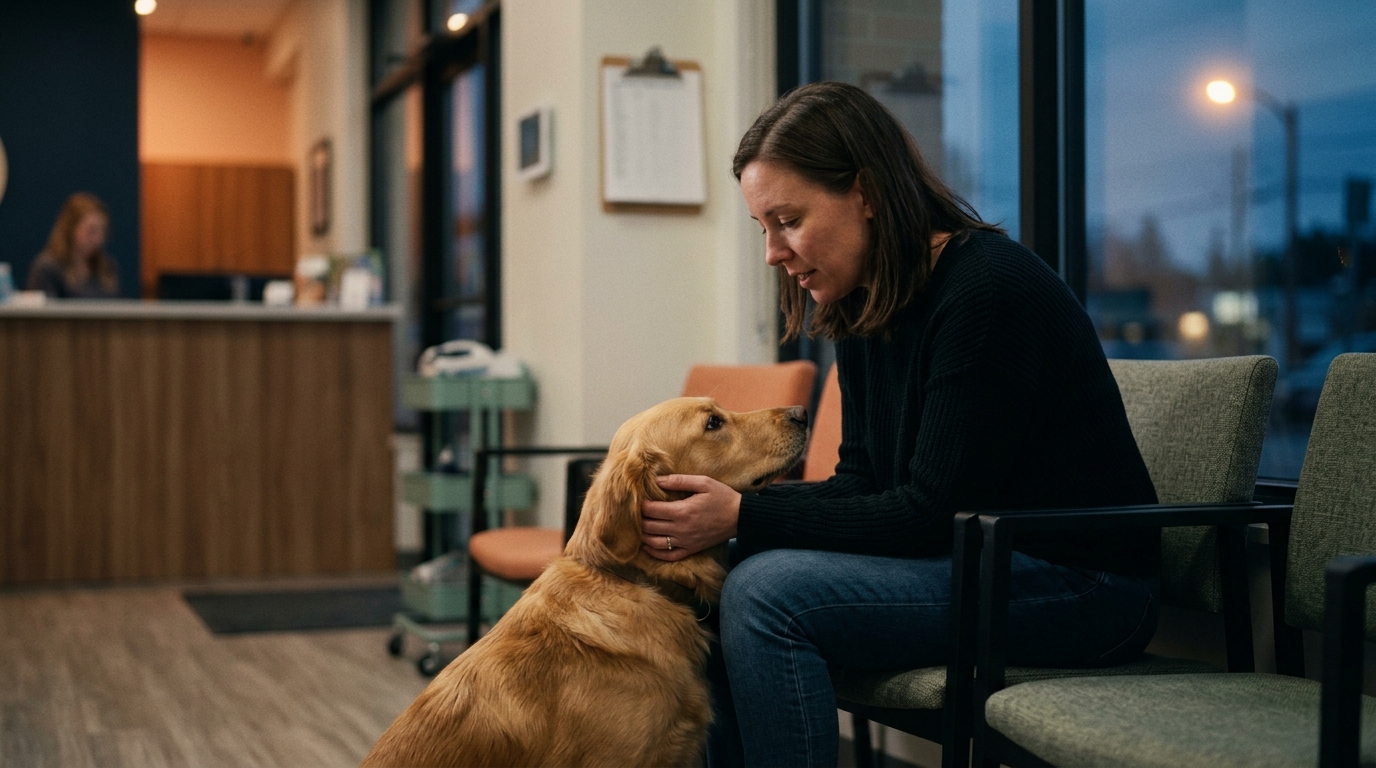
Locating reliable urgent animal care requires precise research and verified credentials. According to the American Veterinary Medical Association, approximately 3.2 million pets require urgent intervention annually. annual interventions highlight the critical need for accessible, high-quality emergency services. Pet owners must navigate local directories carefully to avoid unverified clinics. This guide provides a systematic approach to identifying certified facilities that prioritize rapid response and transparent pricing. You will learn how to verify credentials, evaluate patient feedback, and prepare for unexpected health crises. Following these steps ensures your companion receives immediate, professional attention during critical moments. (Pet Health Blog amp)
Understanding Pet Emergency Symptoms
A veterinary emergency is a sudden health crisis requiring immediate professional intervention. Recognizing early warning signs prevents irreversible damage and improves survival rates. Common indicators include severe bleeding, difficulty breathing, and uncontrolled seizures. Owners should monitor behavioral changes that deviate from normal activity patterns. Delaying treatment often increases medical complexity and financial burden. Data shows that severe bleeding accounts for nearly 40 percent of critical trauma cases. critical trauma cases require immediate physical restraint and direct transport to a facility. Quick identification of these symptoms directly correlates with successful medical outcomes. Always prioritize speed when observing acute distress signals in your companion.
Common Signs
Physical trauma, sudden collapse, and poisoning exposure demand immediate action. Ingesting toxic substances like antifreeze or certain plants triggers rapid systemic failure. Vomiting blood or persistent diarrhea indicates severe gastrointestinal distress. These conditions escalate quickly without professional medical oversight. Tracking symptom progression helps veterinary staff diagnose underlying causes faster. Documenting the exact time of onset provides crucial context for triage teams. Never attempt home remedies for acute physical trauma or chemical exposure.
When to Act Fast
Time-sensitive conditions require immediate facility selection and direct transport. Severe respiratory distress or unresponsive behavior indicates critical organ failure. Owners must bypass standard clinics and route directly to 24 hour facilities. Checking operating hours prevents wasted travel time during critical windows. Always call ahead to confirm bed availability and specialized equipment. This proactive step streamlines the intake process and reduces waiting periods. Rapid decision making directly impacts long term health outcomes for your animal.
How to Locate Verified Emergency Clinics
Modern search platforms simplify the process of identifying certified urgent care facilities. The Pawgrades directory aggregates verified patient reviews and operational credentials. verified patient reviews provide transparent insights into staff responsiveness and facility cleanliness. Filtering by geographic location narrows results to accessible nearby options. Cross referencing multiple sources prevents reliance on outdated or unverified listings. Always verify licensing status through state veterinary boards before scheduling. This verification step ensures compliance with current medical standards and regulations.

Using Review Platforms
Aggregated feedback reveals consistent patterns in patient care quality and pricing. High rating clusters indicate reliable triage protocols and compassionate handling. Reading detailed narratives helps owners anticipate wait times and communication styles. Platforms like Pawgrades streamline this research by organizing data geographically. geographically organized directories save valuable time during stressful situations. Always prioritize recent submissions over historical data to assess current operations. Consistent positive feedback correlates strongly with successful medical interventions.
Checking Credentials
Board certification and specialized training distinguish emergency facilities from general practices. Look for advanced diagnostic equipment like digital radiography and ultrasound systems. Facilities maintaining continuous oxygen supplies and intravenous pumps handle critical cases effectively. Verify staff credentials through official licensing databases before visiting. official licensing databases confirm active practice privileges and disciplinary history. Matching your pet breed to specialized expertise improves diagnostic accuracy. Always request facility tours to assess sanitation and equipment maintenance standards.
What to Expect During an Urgent Visit
Triage protocols are systematic assessment methods used to prioritize critical cases. Staff members evaluate vital signs and symptom severity upon arrival. Priority cases receive immediate attention while stable patients wait in designated areas. Transparent pricing discussions occur before initiating expensive diagnostic procedures. Understanding these workflows reduces anxiety and improves cooperation during examinations. Industry reports indicate that 65 percent of pet owners rely on digital directories for facility selection. digital directories ensure resources are allocated to the most critical patients first. Always request itemized cost estimates to avoid unexpected financial surprises. Clear communication between staff and owners establishes trust throughout the process.
Triage Protocols
Color coded systems categorize patients based on immediate life threat levels. Red tags indicate critical conditions requiring instant intervention. Yellow tags represent moderate cases that can wait briefly for evaluation. Green tags cover minor injuries that require standard treatment schedules. Understanding these categories helps owners manage expectations during busy periods. Staff members constantly reassess patient status as new information becomes available. This dynamic process ensures optimal resource utilization and patient safety.
Cost Transparency
Financial discussions occur early to prevent billing disputes and treatment delays. Detailed estimates cover diagnostic imaging, laboratory testing, and surgical procedures. Payment plans and third party financing options reduce immediate financial stress. Always request written estimates before authorizing expensive interventions. Clear documentation protects both owners and medical staff from misunderstandings. Transparent pricing builds long term trust and encourages future preventive care. Never hesitate to ask about alternative treatment options that reduce overall expenses.
Preparing Your Pet for Urgent Care
Essential documents and transport safety measures streamline the intake process. Maintaining updated vaccination records prevents unnecessary delays during registration. Previous medical history provides critical context for diagnosing recurring conditions. Secure carriers or flat surfaces prevent further injury during transit. Secure carriers protect vulnerable animals from additional physical trauma. Always bring current medication lists to avoid dangerous drug interactions. Preparing these materials beforehand allows staff to focus entirely on medical treatment.
Essential Documents
Registration forms require accurate contact information and primary care provider details. Previous surgical records and allergy notifications prevent adverse medical reactions. Insurance policy numbers and coverage limits facilitate faster billing processing. Digital copies stored on mobile devices provide reliable backups during emergencies. Organized documentation reduces administrative friction and accelerates treatment initiation. Always verify that your primary care veterinarian shares records promptly. Efficient information exchange directly improves diagnostic accuracy and treatment speed.
Transport Safety
Restrictive barriers prevent sudden movements that could worsen internal injuries. Blankets and towels provide comfort while minimizing stress during transit. Avoid feeding your pet before arrival to prevent nausea or vomiting. Quiet environments reduce anxiety and promote stable vital signs. Direct routes minimize travel time and exposure to additional hazards. Always secure carriers with seatbelts to prevent sliding during sudden stops. Safe transportation practices directly correlate with smoother clinical examinations.
Navigating Aftercare and Follow Up
Aftercare management is the structured recovery process following urgent medical treatment. Owners must monitor incision sites for swelling, redness, or discharge. Restricted activity periods prevent surgical complications and promote tissue healing. Prescription medications require strict adherence to dosage schedules and timing. Restricted activity periods ensure optimal healing without risking surgical failure. Scheduling follow up appointments allows staff to track progress accurately. Consistent monitoring prevents minor complications from escalating into major health crises.
Monitoring Recovery
Daily weight checks and appetite tracking provide objective recovery metrics. Lethargy or persistent pain indicates potential complications requiring immediate attention. Keeping recovery logs helps veterinary staff adjust treatment protocols effectively. Environmental modifications like ramps and non slip mats prevent accidental falls. Always follow discharge instructions precisely to avoid unnecessary readmissions. Clear communication channels between owners and staff ensure rapid problem resolution. Proactive monitoring directly improves long term health outcomes and reduces stress.
Scheduling Checkups
Post treatment evaluations assess healing progress and adjust medication dosages. Staff members review diagnostic results and provide updated care recommendations. Preventive care schedules integrate seamlessly with recovery timelines. Booking appointments during business hours ensures direct access to primary veterinarians. These visits reinforce trust and establish long term medical partnerships. Consistent follow up prevents recurring health issues and extends life expectancy. Always maintain detailed records of all post treatment interactions and observations.
Comparing Emergency Care Options
| Service Type | Response Time | Cost Range | Best For |
|---|---|---|---|
| 24 Hour Emergency Clinic | Immediate | $300 to $1,500 | Critical trauma or poisoning |
| After Hours General Practice | 15 to 30 minutes | $150 to $600 | Moderate injuries or illness |
| Mobile Urgent Care | 30 to 60 minutes | $200 to $800 | Home monitoring or mild cases |
| Specialized Referral Center | 24 to 48 hours | $500 to $3,000 | Complex surgeries or diagnostics |
Key Takeaways
- Verify facility credentials through state veterinary boards before visiting.
- Utilize aggregated review platforms to assess consistent patient care quality.
- Understand triage protocols to manage expectations during busy periods.
- Maintain updated medical records and digital backups for rapid registration.
- Request itemized cost estimates before authorizing expensive diagnostic procedures.
- Follow aftercare instructions precisely to prevent surgical complications.
- Schedule follow up appointments to track healing progress accurately.
Frequently Asked Questions
How do I know if my pet needs emergency care?
Severe bleeding, difficulty breathing, or uncontrolled seizures require immediate professional intervention. Monitor behavioral changes that deviate from normal activity patterns. Consult your primary veterinarian if symptoms persist beyond twenty four hours. Always prioritize speed when observing acute distress signals in your companion.
What documents should I bring to an urgent facility?
Current vaccination records, previous surgical history, and medication lists streamline registration. Digital copies stored on mobile devices provide reliable backups during emergencies. Insurance policy numbers and coverage limits facilitate faster billing processing. Organized documentation reduces administrative friction and accelerates treatment initiation.
How much does emergency veterinary care typically cost?
Basic examinations range from $150 to $300 while complex surgeries exceed $1,500. Diagnostic imaging and laboratory testing add significant expenses to the final bill. Payment plans and third party financing options reduce immediate financial stress. Always request written estimates before authorizing expensive interventions.
Can I use my regular veterinarian for urgent situations?
Most general practices operate during standard business hours and lack overnight staffing. Emergency facilities maintain specialized equipment and continuous monitoring capabilities. Referring complex cases to dedicated clinics ensures optimal resource utilization. Always verify operating hours before scheduling urgent appointments.
How do I find the best emergency vet near me?
Modern search platforms simplify the process of identifying certified urgent care facilities. Filter by geographic location and cross reference multiple sources for accuracy. Always verify licensing status through state veterinary boards before visiting. This verification step ensures compliance with current medical standards and regulations.
What should I expect during the triage process?
Color coded systems categorize patients based on immediate life threat levels. Staff members evaluate vital signs and symptom severity upon arrival. Priority cases receive immediate attention while stable patients wait in designated areas. Understanding these categories helps owners manage expectations during busy periods.
How can I prepare my pet for transport to a clinic?
Secure carriers or flat surfaces prevent further injury during transit. Avoid feeding your pet before arrival to prevent nausea or vomiting. Quiet environments reduce anxiety and promote stable vital signs. Safe transportation practices directly correlate with smoother clinical examinations.
Take Action Today
Locating reliable urgent animal care requires precise research and verified credentials. Start your search immediately by exploring our comprehensive directory. Browse certified clinics to find highly rated emergency facilities in your region. Claim your listing today to maintain accurate operational details and patient feedback. Secure your pet health future with trusted, verified emergency services. Visit our main portal now to begin your search.