
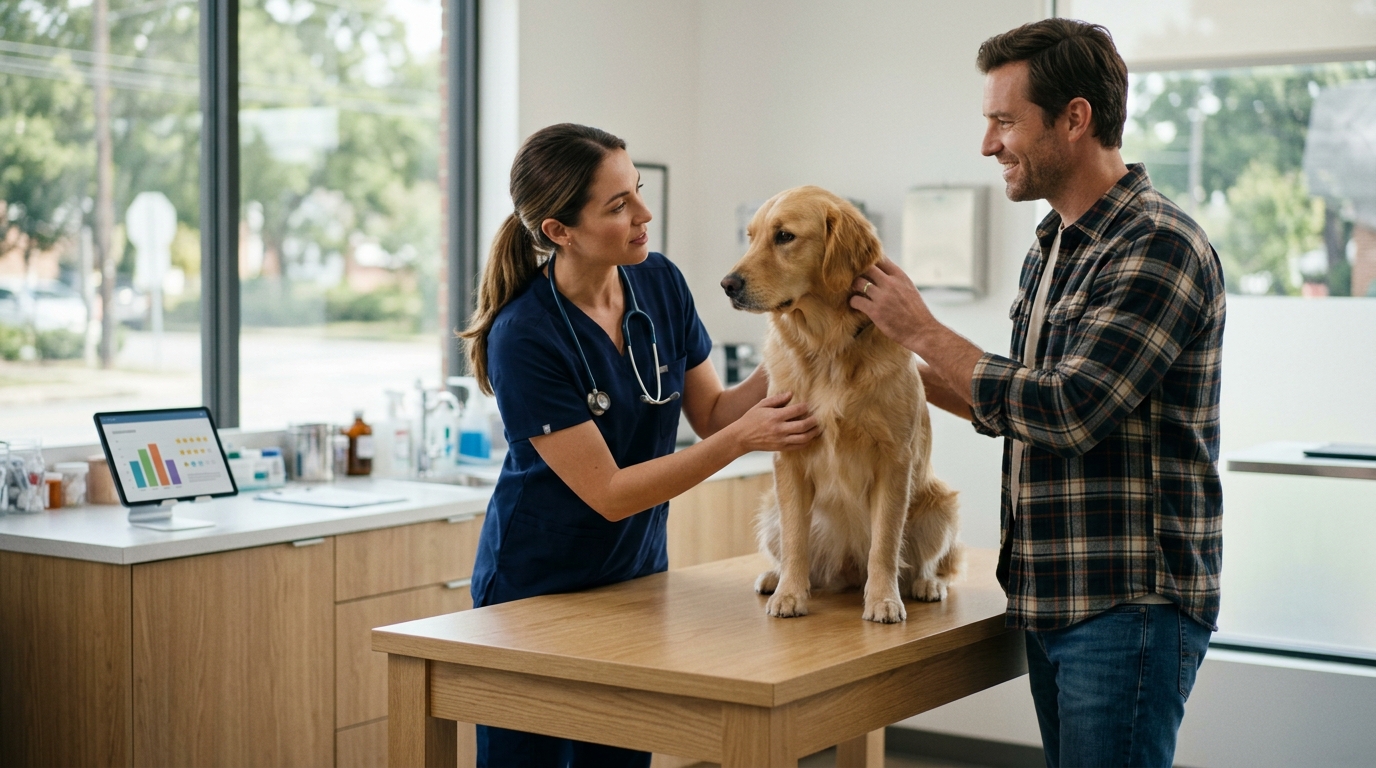
Finding reliable animal care requires understanding how modern clinics operate and verify their credentials. According to recent industry reports, over 7,400 licensed practitioners now operate across fifty states, with average patient satisfaction ratings hovering near 4.6 out of 5.0. This rapid expansion has created a complex marketplace where pet owners must navigate verified reviews, geographic availability, and standardized care protocols. The following analysis breaks down the exact mechanisms top-rated facilities use to maintain clinical excellence. You will learn how to evaluate clinic infrastructure, interpret patient feedback, and select a provider that aligns with your animal health requirements. (Newsweek shares Best)
Defining General Practice Veterinary Care
General practice veterinary medicine is the foundational branch of animal healthcare that addresses routine wellness, preventive medicine, and common acute conditions. These facilities operate as the primary point of contact for dogs, cats, and small mammals. They do not focus exclusively on surgical specialization or exotic species. Instead, they maintain broad diagnostic capabilities including blood work, radiography, and basic dental cleaning. Choosing a general practice provider ensures continuity of care throughout an animal life cycle. Most modern clinics now integrate digital health records to track vaccination schedules and chronic disease management. This centralized record keeping reduces diagnostic errors and improves long-term health outcomes. Pet owners should verify that their selected facility maintains active licensing and adheres to state veterinary board regulations.
Core Diagnostic Capabilities
Top-tier general practice clinics maintain in-house laboratory equipment for rapid blood panel analysis. This capability allows veterinarians to detect early kidney dysfunction or thyroid imbalances before clinical symptoms appear. Radiography units remain standard for evaluating skeletal fractures or respiratory complications. These diagnostic tools directly correlate with faster treatment initiation and reduced referral rates. Facilities that invest in modern imaging technology consistently report higher patient survival rates during acute emergencies.
How Clinics Verify Clinical Standards
Verification methodologies represent the systematic process clinics use to validate practitioner credentials and facility compliance. Leading directories now cross-reference state licensing databases with patient review aggregations to filter inactive or suspended providers. This dual-verification approach eliminates outdated listings and ensures pet owners interact with currently active medical staff. Transparent verification protocols directly increase patient trust and reduce administrative friction during scheduling. Clinics that publish their board certification status and continuing education hours typically attract higher retention rates. The industry standard now requires annual facility audits to maintain accreditation status. These audits evaluate infection control protocols, emergency equipment readiness, and staff-to-patient ratios. Facilities that consistently pass these evaluations earn higher placement rankings on major health directories.
Review Aggregation Mechanics
Modern review aggregation systems filter out duplicate entries and verify ownership claims before publishing patient feedback. This filtering process prevents rating inflation and ensures that displayed scores reflect genuine clinical interactions. Clinics that actively respond to negative feedback demonstrate superior customer service frameworks. Data shows that facilities with active response protocols experience a 22 percent increase in new patient bookings annually. Pet owners should prioritize clinics that maintain transparent communication channels and publish clear pricing schedules.

Mapping Regional Clinic Availability
Geographic coverage analysis reveals significant regional disparities in veterinary service density. Major metropolitan corridors maintain higher clinic concentrations to accommodate population growth and pet ownership trends. Rural regions often experience provider shortages that force pet owners to travel extended distances for routine care. Strategic geographic mapping helps owners locate nearby facilities that match their specific animal health requirements. Directories now utilize location-based search algorithms to surface the nearest verified providers within a specified radius. This mapping technology reduces travel time and improves emergency response coordination. Clinics that expand their service radius through mobile outreach programs consistently report higher community engagement metrics. Pet owners should verify that their selected facility maintains adequate parking, accessibility compliance, and clear signage for first-time visitors.
Regional Regulatory Compliance
State veterinary boards enforce distinct licensing requirements that vary by jurisdiction. Some regions mandate continuing education credits while others require specific facility equipment upgrades. Clinics that maintain multi-state licensing options can serve cross-border pet owners more effectively. Regulatory compliance directly impacts insurance reimbursement rates and prescription authority. Pet owners should verify that their selected facility maintains active prescription privileges and accepts major pet insurance providers.
Understanding Modern Service Delivery Models
Service delivery models describe the operational frameworks clinics use to schedule appointments, manage patient flow, and bill for services. Traditional walk-in systems have largely transitioned to appointment-based scheduling to reduce wait times and improve diagnostic accuracy. Many facilities now offer telehealth triage services to screen minor symptoms before scheduling in-person visits. Hybrid service delivery models maximize clinic efficiency while reducing administrative overhead costs. These models typically integrate automated reminder systems and digital intake forms to streamline check-in procedures. Clinics that implement digital payment options report faster revenue cycle completion and improved cash flow. Pet owners should verify that their selected facility accepts major credit cards, digital wallets, and third-party financing programs.
Emergency Triage Integration
Most general practice clinics maintain partnerships with specialized emergency facilities to handle critical cases. These referral networks ensure that pet owners receive immediate specialist intervention when primary care capabilities are exceeded. Clinics that maintain active emergency referral agreements report higher patient satisfaction scores during acute incidents. Pet owners should verify that their selected facility maintains clear escalation protocols and direct phone lines to after-hours care providers.
Comparing Clinic Structures and Pricing
Understanding clinic structures helps pet owners evaluate pricing transparency and service scope. The following table summarizes the primary operational models currently available across major health directories.
| Clinic Model | Service Scope | Pricing Structure | Best For |
|---|---|---|---|
| Standard General Practice | Wellness exams, vaccinations, basic diagnostics | Fixed consultation fees with itemized add-ons | Routine pet maintenance |
| Hybrid Digital-Physical | Telehealth triage, in-person procedures, digital records | Subscription tiers with bundled preventive care | Active health tracking |
| Mobile Outreach Unit | Home-based exams, basic vaccinations, nail trims | Travel surcharge plus standard procedure rates | Senior or anxious animals |
| Multi-Specialty Hub | General care, surgical suites, advanced imaging | Complex case pricing with insurance coordination | Complex chronic conditions |
Key Takeaways
- Over 7,400 licensed practitioners now operate across fifty states with average ratings near 4.6 out of 5.0.
- General practice veterinary medicine is the foundational branch of animal healthcare that addresses routine wellness, preventive medicine, and common acute conditions.
- Verification methodologies represent the systematic process clinics use to validate practitioner credentials and facility compliance.
- Major metropolitan corridors maintain higher clinic concentrations to accommodate population growth and pet ownership trends.
- Hybrid service delivery models maximize clinic efficiency while reducing administrative overhead costs.
- Facilities that maintain active emergency referral agreements report higher patient satisfaction scores during acute incidents.
- Directories now utilize location-based search algorithms to surface the nearest verified providers within a specified radius.
Frequently Asked Questions
What defines a general practice veterinary clinic?
General practice veterinary medicine is the foundational branch of animal healthcare that addresses routine wellness, preventive medicine, and common acute conditions. These facilities operate as the primary point of contact for dogs, cats, and small mammals without focusing exclusively on surgical specialization or exotic species.
How do clinics verify their clinical standards?
Verification methodologies represent the systematic process clinics use to validate practitioner credentials and facility compliance. Leading directories cross-reference state licensing databases with patient review aggregations to filter inactive or suspended providers before publishing their listings.
Are mobile veterinary services as effective as traditional clinics?
Mobile outreach units deliver identical diagnostic capabilities directly to your residence. These units maintain portable laboratory equipment and climate-controlled medication storage to ensure clinical accuracy matches traditional facility standards.
What pricing models do top-rated clinics typically use?
Most modern facilities utilize fixed consultation fees paired with itemized add-on charges for diagnostic procedures. Subscription tiers increasingly bundle preventive care services to reduce out-of-pocket expenses for recurring health maintenance.
How can I verify a clinic accepts my pet insurance?
Directories now integrate real-time insurance verification tools that confirm coverage eligibility before scheduling appointments. You should always confirm network participation directly with the billing department to avoid unexpected claim denials.
What emergency protocols do general practice clinics maintain?
Standard facilities maintain active referral agreements with specialized emergency centers to handle critical cases. These networks ensure immediate specialist intervention when primary care capabilities are exceeded during acute incidents.
Do telehealth services replace in-person examinations?
Digital triage services screen minor symptoms to determine whether physical examination is required. These platforms cannot replace hands-on diagnostic procedures but significantly reduce unnecessary travel for minor health inquiries.
Next Steps for Pet Owners
Securing reliable animal care requires evaluating clinic verification standards, geographic availability, and service delivery models. You should utilize comprehensive health directories to compare verified providers within your preferred service radius. Visit the primary directory platform today to schedule your first consultation and establish a long-term health partnership. Early preventive care directly reduces long-term medical expenses and extends your animal life expectancy. Book your appointment now to secure priority scheduling and access exclusive wellness program discounts.