
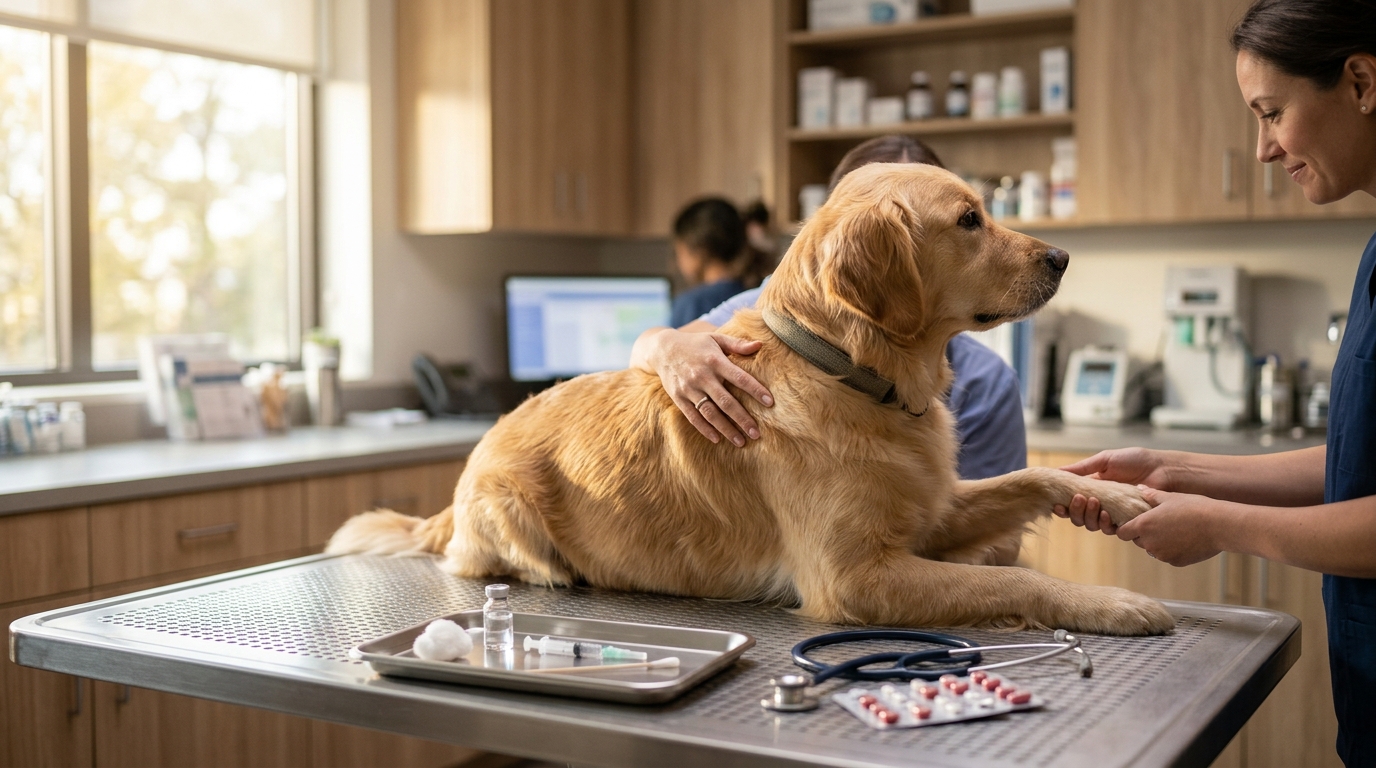
The average cost of routine veterinary care has risen significantly in recent years, with annual expenses for a single dog or cat now averaging between $500 and $1,000 depending on location and species. According to a 2025 industry report on pet healthcare inflation, these costs have increased by approximately 15% over the last three years due to rising operational overheads and advanced diagnostic capabilities. This guide breaks down exactly what you can expect to pay for wellness exams, vaccinations, and preventive medications in 2026.
Cost Breakdown by Service Type
Understanding the line items on a veterinary bill helps pet owners budget effectively. Routine care is not a single flat fee but a collection of distinct services. Below is a realistic estimate for standard annual wellness visits in 2026.
Wellness Exams
A standard wellness exam is the foundation of preventive care. During this visit, the veterinarian performs a physical check-up, reviews diet, and discusses behavioral changes. The average cost for a routine exam ranges from $45 to $85. However, this price can vary widely based on the geographic region. For instance, clinics in major metropolitan areas like Atlanta, GA may charge on the higher end of this spectrum due to increased operational costs.
Vaccinations
Vaccines are critical for preventing deadly diseases. Core vaccines, such as rabies, distemper, and parvovirus, are typically required by law or recommended by veterinary boards. A single vaccine shot usually costs between $20 and $60. If your pet requires a combination vaccine (e.g., DHPP for dogs), the cost might be slightly higher, but often bundled into a "core vaccine package" for a discounted rate of $100 to $150.
Preventive Medications
Monthly preventives for heartworm, fleas, and ticks are a recurring monthly expense. The cost depends heavily on your pet's weight and the brand prescribed. Generic heartworm preventives may cost $10 to $15 per month, while brand-name combination products can range from $25 to $40 per month. Annualizing this, you should budget $120 to $480 specifically for monthly preventives.

Dental Care
Dental health is often overlooked in routine budgets but is vital for overall longevity. A basic dental cleaning without anesthesia is rare and often insufficient for deep cleaning. A full dental prophylaxis under anesthesia typically costs between $300 and $700. This is often considered a separate major expense rather than a routine monthly cost, but it should be factored into your annual pet care budget.
Key Factors Influencing Price
Why do two vets charge different prices for the same service? Several variables dictate the final bill.
Geographic Location
Cost of living directly impacts veterinary fees. Clinics in high-density urban centers or coastal states generally charge more than those in rural areas. For example, finding the best veterinarians in New York or Austin, TX will likely involve higher consultation fees compared to clinics in states with a lower cost of living index.
Practice Type
General practice clinics often have lower overhead than emergency or specialty hospitals. Routine care should always be handled by a general practitioner to keep costs manageable. Emergency clinics charge premium rates for after-hours care, often doubling or tripling standard fees.
Pet Size and Species
Medication dosages are weight-based. A 100-pound Great Dane will require significantly more heartworm medication and flea treatment than a 10-pound Chihuahua. Additionally, large breed dogs may require higher doses of anesthesia for dental work, increasing that specific cost.
Clinic vs. Hospital Pricing
Choosing the right facility is crucial for managing long-term costs. Below is a comparison of typical service pricing models.
| Service | General Practice Clinic | Specialty/Emergency Hospital | Savings Potential |
|---|---|---|---|
| Wellness Exam | $45 - $85 | $150 - $250 | Up to 70% |
| Core Vaccines | $100 - $150 (Package) | $200 - $300 (Package) | Up to 50% |
| Dental Cleaning | $300 - $700 | $800 - $1,500 | Up to 53% |
| Lab Work (Basic) | $50 - $100 | $150 - $300 | Up to 66% |
As shown, sticking to a general practice clinic for routine needs can save you hundreds of dollars annually. Use platforms like Pawgrades to compare local clinics and read verified reviews to ensure quality is not compromised by lower prices.
Strategies to Reduce Costs
While you cannot control inflation, you can control how you pay for care.
Pet Insurance
Pet insurance has become a standard tool for budgeting. Premiums typically range from $20 to $50 per month. While this adds to your monthly outflow, it protects against catastrophic costs like cancer treatment or surgery, which can exceed $5,000. Many insurers now offer wellness riders that reimburse a portion of routine care costs.
Wellness Plans
Many veterinary clinics offer in-house wellness plans. These are monthly subscription services that cover exams, vaccines, and sometimes dental cleanings for a fixed fee, such as $15 to $25 per month. This smooths out cash flow and often includes discounts on other services.
Generic Medications
Always ask your veterinarian if generic alternatives are available for heartworm and flea/tick preventives. The efficacy is often identical to brand-name products, but the cost is significantly lower. You can also purchase these medications online from reputable pharmacies, often at a 20-30% discount compared to clinic markups.
Preventive Focus
The most effective way to save money is to prevent illness. Regular brushing, dental chews, and weight management reduce the likelihood of expensive chronic conditions like diabetes or arthritis later in life. Keeping your pet healthy is the best financial strategy.
Key Takeaways
- Average Annual Cost: Expect to spend $500 to $1,000 per year for routine care of a dog or cat in 2026.
- Exam Fees: Routine wellness exams typically cost between $45 and $85, varying by region.
- Vaccine Packages: Core vaccine bundles usually range from $100 to $150 annually.
- Preventive Meds: Monthly heartworm and flea/tick preventives cost $10 to $40 per month.
- Geographic Variance: Urban clinics in states like California or New York often charge 20-30% more than rural areas.
- Wellness Plans: In-house clinic plans can reduce out-of-pocket costs by bundling services.
- Insurance Value: Pet insurance premiums average $20-$50/month but protect against high-cost emergencies.
Frequently Asked Questions
How much does a vet visit cost in 2026?
A standard wellness exam costs between $45 and $85. This fee covers the physical examination and consultation but does not include vaccines or lab work.
Are vaccinations included in the exam fee?
No, vaccinations are almost always billed separately. Core vaccines typically cost $20 to $60 per shot, or $100 to $150 for a full package.
How can I lower my pet's monthly vet costs?
You can lower costs by purchasing generic preventives, enrolling in a clinic wellness plan, or using pet insurance with a wellness rider.
Does pet size affect vet costs?
Yes. Larger pets require higher doses of medication and anesthesia, which increases the cost of both monthly preventives and dental procedures.
Is it cheaper to buy meds online or at the vet?
Buying heartworm and flea/tick meds online from authorized pharmacies is often 20-30% cheaper than buying them at the clinic, provided you have a valid prescription.
What is a wellness plan?
A wellness plan is a monthly subscription offered by veterinary clinics that covers routine services like exams and vaccines for a fixed annual or monthly fee.
How often should I take my pet to the vet?
Adult pets should visit the vet at least once a year for a wellness exam and vaccines. Senior pets (7+ years) should visit twice a year for comprehensive blood work and exams.
Find Your Vet Today
Managing your pet's health budget starts with finding the right provider. Don't settle for guesswork when it comes to your pet's well-being. Use Pawgrades to compare top-rated veterinarians in your area, read verified patient reviews, and book your next appointment today. Ensuring your pet receives consistent, affordable care is easier when you have the right tools.