
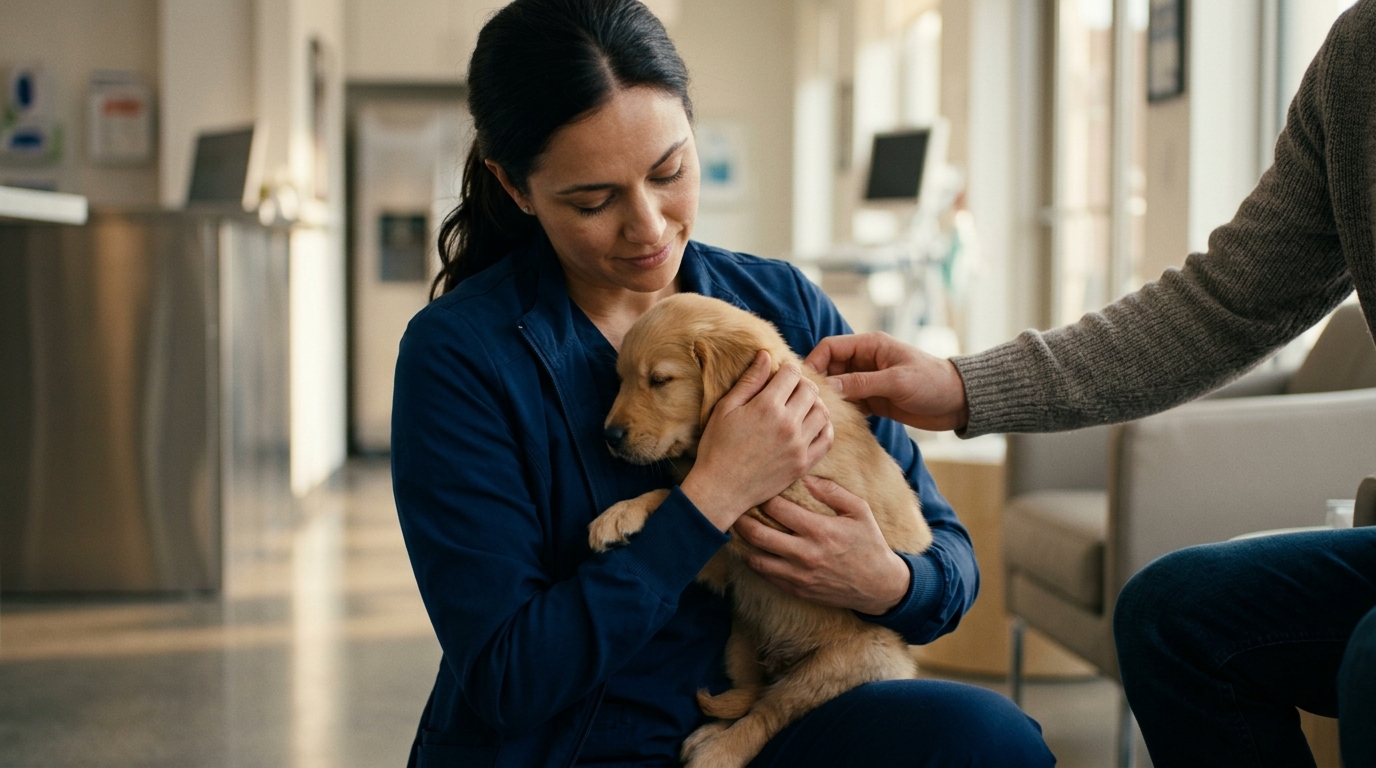
When your pet is in distress, every second counts. According to recent veterinary industry data, approximately 30% of pet owners admit to delaying emergency care due to uncertainty about where to go or how to verify a clinic's readiness. This hesitation can be fatal. In 2026, the landscape of pet healthcare has shifted toward verified, real-time availability and transparent patient reviews. Finding a trusted emergency vet near me is no longer about guessing; it is about leveraging verified data to make a life-saving decision quickly.
Assessing the Urgency of the Situation
Before you search for a clinic, you must accurately assess the severity of your pet's condition. Not every medical issue requires an emergency room visit, but misjudging the situation can lead to catastrophic outcomes. Emergency veterinary medicine is defined as the branch of veterinary practice that deals with the immediate and critical care of animals suffering from acute illness or injury.
Common signs that require immediate attention include difficulty breathing, uncontrolled bleeding, seizures, ingestion of toxic substances like chocolate or antifreeze, and sudden collapse. If your pet is exhibiting any of these symptoms, do not wait for a regular clinic to open. Time is the most critical factor in survival rates for conditions like bloat, poisoning, and trauma.
Conversely, minor issues such as a small cut that has stopped bleeding or a mild limp may be handled by a primary care veterinarian during business hours. However, if you are unsure, it is always safer to call an emergency clinic for triage. Most emergency facilities have a veterinarian on call who can guide you over the phone to determine if you need to come in immediately.
Verifying Emergency Capabilities and Credentials
Not all clinics that claim to offer emergency services are equipped to handle complex cases. A trusted emergency vet near me must have specific infrastructure and staffing capabilities. Veterinary emergency and critical care is defined as the specialized field of veterinary medicine focused on the diagnosis, treatment, and management of life-threatening conditions in animals.
When evaluating a potential clinic, look for the following indicators of high-quality care:
- 24/7 Staffing: Ensure the clinic has veterinarians and technicians physically present on-site, not just on-call. Some facilities only offer "after-hours" care with limited resources.
- Diagnostic Equipment: Advanced clinics should have in-house digital radiography (X-ray), ultrasound, and laboratory testing capabilities. This allows for rapid diagnosis without waiting for external lab results.
- Surgical Capability: In cases of trauma or bloat, immediate surgery may be required. Verify that the clinic has an operating room and sterile surgical teams available.
- ICU Facilities: Post-operative or critical patients require intensive care units with monitoring equipment for heart rate, oxygen saturation, and blood pressure.
You can verify these credentials by visiting the clinic's website or calling ahead. Platforms like Pawgrades aggregate verified patient reviews and clinic details, helping you identify facilities that consistently meet these high standards. Reading recent reviews can provide insight into the clinic's responsiveness and the quality of care provided during actual emergencies.
Using Technology to Locate Immediate Care
In 2026, technology plays a pivotal role in connecting pet owners with immediate care. The traditional method of driving around a neighborhood looking for open signs is obsolete and dangerous. Instead, use digital tools to find the nearest, highest-rated emergency vet near me.
Search engines and specialized pet health platforms allow you to filter clinics by distance, availability, and patient ratings. When using these tools, prioritize clinics with a high volume of recent reviews. A clinic with 500+ reviews is generally more reliable than one with only a handful, as the data provides a more accurate representation of their performance.
For example, if you are in a major metro area, you can browse top-rated veterinarians by state to find emergency specialists in your region. These directories often include direct links to clinic websites, phone numbers, and even real-time appointment availability. This reduces the cognitive load during a stressful event, allowing you to focus on your pet's well-being.
Additionally, many emergency clinics now offer telehealth triage services. This allows you to speak with a veterinarian before driving to the clinic. This can save time and money if the issue is minor, or provide critical instructions if you need to stabilize your pet during transport.
Safe Transport and Preparation
Once you have identified a trusted emergency vet near me, the next step is safe transport. How you get your pet to the clinic can impact their outcome. If your pet is in shock, bleeding, or having seizures, handle them with extreme care to avoid further injury.
Use a carrier or a flat surface like a board or thick blanket to move your pet. Avoid picking up a large dog by the legs or torso if they are in pain, as this can exacerbate spinal or internal injuries. If you must drive, have a passenger hold your pet securely in the back seat. Keep the car quiet and calm to reduce their stress levels.
Prepare a "go-bag" for your pet that includes:
- Any current medications or medical records.
- A list of known allergies or pre-existing conditions.
- A sample of the substance ingested if poisoning is suspected.
- A leash or harness for safe handling upon arrival.
Having this information ready when you arrive at the clinic allows the veterinary team to begin treatment immediately. Every minute saved in paperwork is a minute gained in treatment. For more tips on pet health and preparation, explore the Pawgrades Blog for expert guides on pet first aid and emergency preparedness.

Understanding Costs and Payment Options
One of the biggest barriers to seeking emergency care is the fear of cost. Emergency veterinary care is significantly more expensive than routine visits due to the 24/7 staffing, advanced equipment, and rapid response required. However, delaying care due to cost concerns can lead to higher expenses later if the condition worsens.
Many emergency clinics offer payment plans or work with third-party financing options like CareCredit or Scratchpay. It is advisable to ask about these options when you call for triage. Some clinics also accept pet insurance directly, which can reduce your out-of-pocket costs. If you do not have insurance, inquire about estimated costs for common procedures like X-rays or blood work before committing to treatment.
Transparency is key. A trusted emergency vet near me will be upfront about costs and treatment options. They should provide a detailed estimate and explain the rationale behind each recommended test or procedure. If cost is a significant concern, discuss alternative treatment plans with the veterinarian. They may be able to prioritize critical diagnostics and defer non-essential tests.
Key Takeaways
- Immediate Action: Do not wait for regular clinic hours if your pet is showing signs of severe distress. Emergency care is time-sensitive.
- Verify Capabilities: Ensure the clinic has 24/7 staffing, in-house diagnostics, and surgical capabilities for complex cases.
- Use Verified Data: Leverage platforms like Pawgrades to find clinics with high patient satisfaction and verified reviews.
- Prepare for Transport: Have a plan for safe transport and keep medical records and allergy information readily available.
- Financial Planning: Discuss payment options and financing plans with the clinic before treatment begins to avoid surprises.
- Triage First: Call the clinic for triage if you are unsure. A veterinarian can guide you on whether an immediate visit is necessary.
- Prevention: Keep a pet first aid kit and know the signs of common emergencies like poisoning and bloat.
Frequently Asked Questions
How do I know if my pet needs an emergency vet?
If your pet is experiencing difficulty breathing, uncontrolled bleeding, seizures, collapse, or ingestion of toxins, they need immediate emergency care. When in doubt, call a clinic for triage.
What should I bring to the emergency vet?
Bring any current medications, medical records, a list of allergies, and a sample of any ingested substance. Also, bring a leash or carrier for safe handling.
Are emergency vets available 24/7?
Most dedicated emergency veterinary hospitals are open 24 hours a day, 7 days a week. However, some general clinics may only offer after-hours care with limited resources.
How much does emergency vet care cost?
Costs vary widely based on the severity of the condition and the services required. A basic exam and blood work can cost several hundred dollars, while surgery can cost thousands. Always ask for an estimate.
Can I use pet insurance for emergency care?
Yes, most pet insurance plans cover emergency care. Some clinics accept insurance directly, while others require you to pay upfront and submit a claim. Check with your provider and the clinic.
How do I find the best emergency vet near me?
Use online directories like Pawgrades to compare clinics based on location, patient reviews, and available services. Look for clinics with high ratings and verified credentials.
What is veterinary emergency and critical care?
Veterinary emergency and critical care is the specialized field of veterinary medicine focused on the diagnosis, treatment, and management of life-threatening conditions in animals.
Find Your Trusted Emergency Vet Today
Do not wait for an emergency to happen. Take proactive steps to ensure your pet's safety by identifying a trusted emergency vet near me before you need one. Use Pawgrades to browse verified clinics, read patient reviews, and compare services in your area. Your pet's health is worth the peace of mind. Search for a vet near you now and secure the best care for your furry family member.