

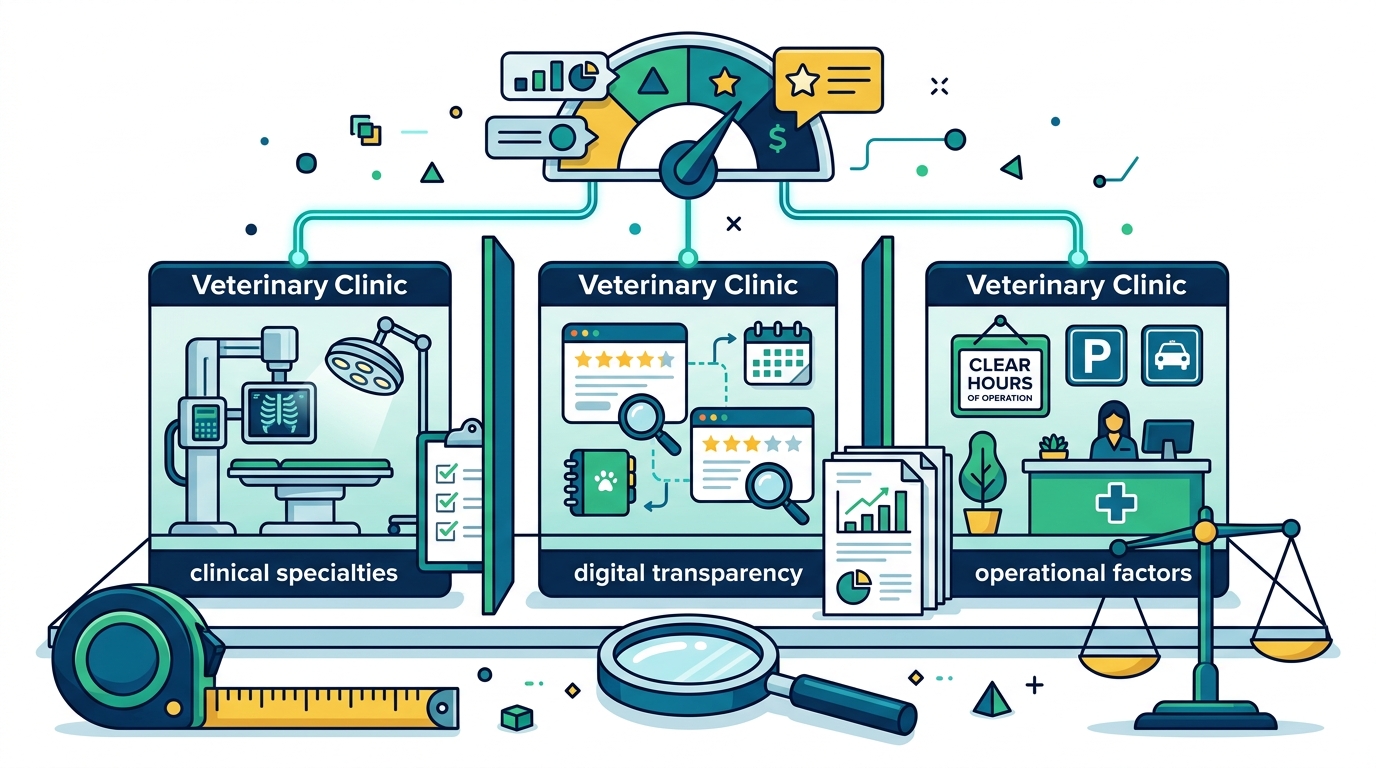
Finding the right veterinary care is one of the most critical decisions a pet owner makes. According to recent industry data, over 85% of pet owners now prioritize verified patient reviews and digital transparency when selecting a clinic, a significant shift from traditional word-of-mouth referrals. This guide provides a structured framework for evaluating veterinary providers, ensuring your animal receives consistent, high-quality medical attention. We will explore key evaluation metrics, from clinical specialties to operational transparency, to help you make an informed choice.
Understanding Veterinary Specialties and Scope
The first step in comparing clinics is determining the scope of care they provide. General practice veterinarians handle routine checkups, vaccinations, and minor illnesses. However, complex conditions often require specialized care. Specialized veterinary medicine is the branch of veterinary practice that focuses on specific organ systems or species. For example, a cardiology specialist treats heart conditions, while an oncologist manages cancer cases.
When evaluating a clinic, check if they offer in-house specialties or have established referral networks. A clinic with an on-site dermatologist or surgeon can reduce stress for your pet by avoiding multiple transfers. You can explore top-rated veterinarians by state to identify practices with robust specialist teams in your region.
General Practice vs. Specialty Care
General practitioners serve as the primary care providers for most pets. They are equipped to handle routine wellness exams, dental cleanings, and preventive care. Specialty care, on the other hand, is reserved for complex diagnostics and surgical interventions. Understanding this distinction helps you avoid unnecessary referrals or, conversely, seeking care where it is not needed.
Evaluating Clinical Infrastructure and Technology
The quality of medical equipment directly impacts diagnostic accuracy. Modern clinics utilize digital radiography, ultrasound, and advanced laboratory analyzers. Digital radiography is the use of electronic sensors to capture X-ray images instantly, reducing radiation exposure and improving image clarity. Clinics with in-house laboratories can provide faster results for blood work and urinalysis, which is crucial for acute illness management.
When visiting a prospective clinic, observe the cleanliness and organization of the facility. Ask about their diagnostic capabilities. Do they have a dedicated surgical suite? Is their anesthesia monitoring equipment up to date? These factors are critical for patient safety during procedures. You can compare veterinarians in Atlanta, GA or other local markets to see which clinics highlight advanced technology in their profiles.
Diagnostic Capabilities
In-house diagnostics allow for immediate decision-making. If a blood test reveals an electrolyte imbalance, the vet can adjust treatment immediately. External lab referrals can delay care by 24 to 48 hours. Inquire about the turnaround time for external labs and whether the clinic offers telehealth consultations for preliminary assessments.
Analyzing Patient Reviews and Reputation
Online reviews provide valuable insights into the patient experience. However, not all reviews are created equal. Look for patterns in feedback regarding communication, empathy, and follow-up care. Patient review aggregation is the process of collecting and displaying feedback from multiple sources to provide a comprehensive view of service quality. Platforms like Pawgrades aggregate these reviews to help owners make data-driven decisions.
When reading reviews, pay attention to how the clinic responds to negative feedback. A professional response that addresses concerns demonstrates accountability and a commitment to improvement. Avoid clinics with consistent complaints about rushed appointments or poor communication. You can browse verified patient reviews to gauge the overall sentiment of the community.
Communication and Empathy
Effective communication is the cornerstone of trust. During a consultation, note whether the vet explains diagnoses in clear, non-jargon terms. Do they listen to your concerns without interruption? Empathy extends to how staff interact with anxious pets and worried owners. A clinic that prioritizes compassionate care often has higher patient retention rates.
Financial Transparency and Pricing Models
Veterinary costs can vary significantly between clinics. Transparency in pricing helps avoid unexpected financial burdens. Fee-for-service pricing is a model where clients pay for each individual service or procedure rather than a bundled package. Some clinics offer wellness plans that bundle preventive care into a monthly subscription, which can reduce long-term costs.
Ask for a detailed estimate before any procedure. Reputable clinics will provide a written breakdown of costs, including diagnostics, surgery, anesthesia, and post-operative care. Inquire about payment options, such as CareCredit or Scratchpay, which offer financing for larger expenses. Understanding the financial structure allows you to budget effectively for your pet's health.
Wellness Plans and Preventive Care
Wellness plans are an excellent way to manage routine costs. These plans typically cover annual exams, vaccinations, and preventive medications like heartworm and flea/tick preventatives. Compare the coverage limits and exclusions of different plans. A plan that covers dental cleanings can save thousands of dollars over the life of your pet.
Emergency Readiness and After-Hours Care
Emergencies do not follow a schedule. It is essential to know how a clinic handles after-hours emergencies. Emergency veterinary care is the immediate medical attention provided for acute injuries or sudden illnesses outside of regular business hours. Some clinics have in-house emergency services, while others partner with nearby emergency hospitals.
Ask about the clinic's protocol for after-hours calls. Do they have an on-call veterinarian? What is the expected response time? Knowing this information in advance can reduce panic and ensure your pet receives timely care when needed. You can find emergency vets in your area through specialized directories.
Referral Networks
If your clinic does not offer emergency care, ask for their preferred emergency hospital. A strong referral network ensures continuity of care. The emergency hospital should have access to your pet's medical records to provide informed treatment. Establishing this relationship before an emergency occurs is a proactive step in pet ownership.
Comparison Framework for Decision Making
To simplify the selection process, use the following framework to compare clinics side-by-side. This table highlights key evaluation criteria and their importance in the decision-making process.
| Criteria | Key Questions to Ask | Importance Level | Recommended Action |
|---|---|---|---|
| Specialty Access | Do you have in-house specialists or strong referral partners? | High | Check specialty listings for local options. |
| Diagnostic Tech | Is digital radiography and in-house lab available? | High | Request a facility tour. |
| Review Sentiment | What is the average rating and response to negative feedback? | Medium | Read blog guides on review analysis. |
| Cost Transparency | Do you provide written estimates and wellness plans? | Medium | Ask for a price list. |
| Emergency Protocol | What is the after-hours care process? | High | Verify emergency hospital partnership. |
Key Takeaways
- Specialty Access: Prioritize clinics with in-house specialists or robust referral networks for complex conditions.
- Technology Matters: In-house diagnostics and digital radiography improve speed and accuracy of care.
- Review Patterns: Look for consistent themes in patient reviews rather than isolated incidents.
- Financial Clarity: Request written estimates and inquire about wellness plans to manage costs.
- Emergency Prep: Know the after-hours protocol and emergency hospital partnership before a crisis occurs.
- Communication: Choose a vet who explains diagnoses clearly and listens to your concerns.
- Local Data: Use aggregated data from platforms like Pawgrades to compare local providers.
Frequently Asked Questions
How do I find the best veterinarian for my pet?
Start by identifying your pet's specific needs, such as breed-specific conditions or age-related concerns. Use online directories to find highly-rated clinics in your area. Schedule a meet-and-greet to assess the clinic's environment and staff communication. You can browse best veterinarians by state to narrow down your options.
What should I look for in a veterinary clinic's technology?
Look for digital radiography, in-house laboratories, and advanced monitoring equipment. These tools allow for faster and more accurate diagnoses. Clinics with modern technology can often provide more comprehensive care without referring you elsewhere.
How important are online reviews when choosing a vet?
Online reviews are highly important as they reflect the experiences of other pet owners. Look for patterns in feedback regarding communication, empathy, and clinical outcomes. Verified review platforms provide a more reliable source of information than unverified sites.
Do veterinary clinics offer payment plans?
Many clinics offer third-party financing options like CareCredit or Scratchpay. Some also provide in-house wellness plans that bundle preventive care into monthly payments. Always ask about financial options during your initial consultation.
What is the difference between general practice and specialty care?
General practice focuses on routine wellness, vaccinations, and minor illnesses. Specialty care addresses complex conditions requiring advanced diagnostics or surgery. Your general practitioner can refer you to a specialist if needed.
How do I handle after-hours veterinary emergencies?
Ask your clinic about their after-hours protocol. Most clinics partner with local emergency hospitals. Ensure you have the contact information for the emergency hospital and know how to access your pet's medical records in a crisis.
Can I switch veterinarians if I am unhappy with my current one?
Yes, you have the right to switch veterinarians at any time. Request a copy of your pet's medical records to transfer to the new clinic. Most clinics will provide these records upon request, often for a small administrative fee.
Find Your Ideal Vet Today
Choosing the right veterinary clinic is an investment in your pet's long-term health and happiness. By evaluating specialties, technology, reviews, and financial transparency, you can make a confident decision. Start your search today by exploring top-rated veterinarians in your area on Pawgrades. Compare clinics, read verified reviews, and schedule a consultation to find the perfect fit for your furry friend.