

General practice veterinary care serves as the foundational pillar of animal health, handling everything from routine vaccinations to acute illness management. According to recent industry data, the average pet owner visits a general practitioner approximately three to four times annually for wellness exams and preventive care. This frequency underscores the critical need for finding a reliable, high-quality clinic that aligns with your pet's specific biological needs and your family's logistical requirements. In 2026, the landscape of veterinary care continues to evolve with increased emphasis on transparency, patient reviews, and accessible digital booking systems.
What Is General Practice Veterinary Care?
General practice veterinary care is the comprehensive medical discipline focused on the routine health maintenance, disease prevention, and treatment of common ailments in companion animals. Unlike specialists who focus on specific organ systems or complex surgeries, general practitioners act as the primary point of contact for your pet's entire lifecycle. This includes core services such as annual wellness exams, immunization protocols, parasite control, dental cleanings, and diagnostic imaging for acute injuries.
The role of a general practitioner extends beyond physical health. These clinics often serve as the first line of defense against emerging health trends, such as the rise in obesity-related conditions in dogs and cats. A trusted general practice clinic builds a longitudinal medical history for your pet, allowing for earlier detection of chronic issues like kidney disease or diabetes. This continuity of care is vital because it reduces diagnostic errors and ensures that treatment plans are consistent with your pet's past medical records.
Furthermore, general practice clinics are increasingly integrating telehealth capabilities to offer triage services. This hybrid model allows pet owners to receive immediate guidance for non-emergency concerns, potentially avoiding unnecessary clinic visits while ensuring that urgent cases are prioritized correctly. The integration of digital health records also means that your vet can access your pet's history instantly, improving the speed and accuracy of diagnoses during unexpected visits.
Key Criteria for Selecting a Clinic
Choosing the right veterinary clinic requires evaluating several critical factors that impact both the quality of care and the overall experience for you and your pet. The following criteria represent the most significant indicators of a high-performing general practice clinic in the current market.
1. Verified Patient Reviews and Reputation
In the digital age, patient reviews provide an unfiltered look at a clinic's operational strengths and weaknesses. Platforms like Pawgrades aggregate verified reviews to help pet parents identify clinics with consistent high ratings. A clinic with a high volume of positive reviews regarding bedside manner, cleanliness, and follow-up care is generally a safer bet than one with sparse or mixed feedback. Look for patterns in reviews, such as repeated mentions of clear communication or efficient scheduling, which are strong indicators of operational excellence.
2. Scope of In-House Services
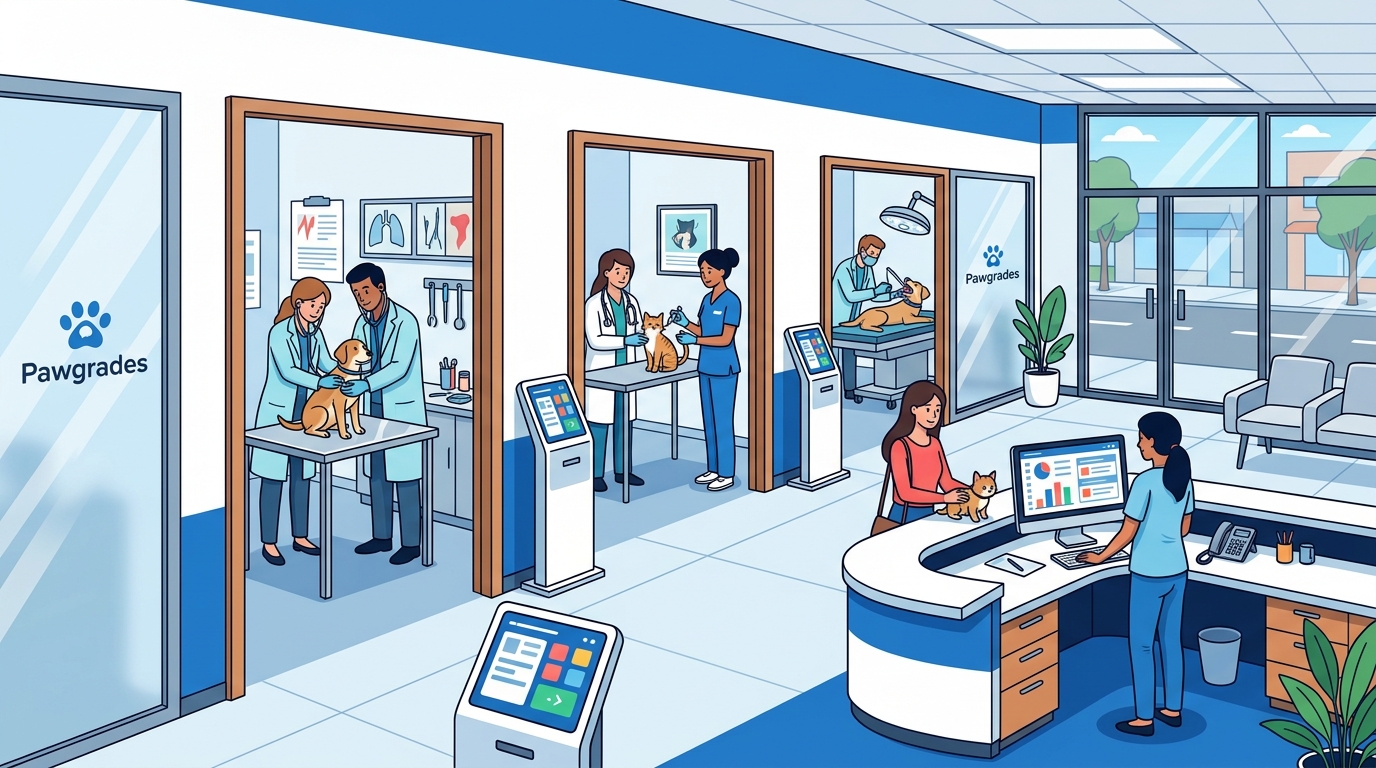
Efficiency in veterinary care often depends on the clinic's ability to perform diagnostics and treatments in-house. Top-tier general practice clinics typically house digital radiography, ultrasound, in-house laboratory analyzers, and dental radiography equipment. This capability allows for immediate diagnosis of fractures, foreign body obstructions, or internal bleeding, significantly reducing the time your pet spends in discomfort. Clinics that rely heavily on external reference labs for basic blood work may experience delays in treatment initiation, which can be critical in acute scenarios.
3. Emergency and After-Hours Protocols
Even the best general practice clinics cannot handle every medical emergency. It is essential to understand their protocol for after-hours care. Does the clinic have an in-house emergency team? Do they have a formal partnership with a nearby 24-hour emergency hospital? Clear communication regarding these protocols ensures that you know exactly where to go if your pet falls ill at night or on a weekend. Clinics that offer seamless referrals to emergency services demonstrate a commitment to patient safety over convenience.
4. Preventive Care Philosophy
Modern veterinary medicine places a heavy emphasis on preventive care to extend the lifespan and quality of life for pets. The best clinics offer structured wellness plans that bundle exams, vaccines, and diagnostics at a predictable cost. These plans often include nutritional counseling and weight management strategies, which are crucial for combating the epidemic of pet obesity. A clinic that proactively discusses preventive measures during every visit is likely to provide superior long-term health outcomes for your animal companion.
Regional Leaders in Veterinary Excellence
Veterinary care quality can vary significantly by region due to differences in provider density, specialization availability, and local health regulations. Analyzing top-performing clinics in major metropolitan areas provides insight into the standards of excellence that define the best general practice care.
Atlanta, Georgia: High Standards in General Practice
Atlanta boasts a robust network of veterinary professionals, with an average patient rating of 4.6 across its top clinics. The city's leading general practitioners, such as those at Westside Village Animal Hospital and Paces Ferry Veterinary Clinic, are recognized for their comprehensive diagnostic capabilities and patient-centered approaches. These clinics often feature advanced imaging technologies and dedicated dental surgery suites, setting a high benchmark for general practice care in the Southeast. The concentration of highly rated providers in Atlanta reflects a competitive market that prioritizes patient satisfaction and clinical excellence.
Austin, Texas: Innovation in Pet Health
In Austin, the veterinary landscape is characterized by a blend of traditional care and modern innovation. Clinics here, such as those led by Dr. Cheri Honnas, are noted for their extensive patient review volumes, indicating a high level of community trust and engagement. Austin's general practitioners often emphasize holistic wellness and preventive care, aligning with the city's broader health-conscious culture. The availability of specialized services within general practice settings allows Austin pet owners to access comprehensive care without immediate referrals, streamlining the healthcare journey for their pets.
National Trends in Veterinary Care Quality
Nationally, the trend toward verified review platforms is reshaping how pet owners select their veterinarians. Data indicates that clinics with over 100 verified reviews tend to maintain more consistent service quality due to established operational workflows. Furthermore, the integration of electronic health records (EHR) has become a standard expectation, allowing for better coordination between general practitioners and specialists. This digital infrastructure ensures that your pet's medical history is portable and accessible, regardless of which clinic you visit.
Clinic Comparison Matrix
The following table compares key attributes of top-rated general practice clinics in major US cities, highlighting their strengths and service offerings.
| Clinic Name | Location | Avg. Rating | Key Strength | Service Focus |
|---|---|---|---|---|
| Westside Village Animal Hospital | Atlanta, GA | 5.00 | Comprehensive Diagnostics | General Practice, Surgery |
| Paces Ferry Veterinary Clinic | Austin, TX | 4.90 | Patient-Centered Care | Wellness, Preventive Care |
| Pharr Road Animal Hospital | Atlanta, GA | 4.90 | Advanced Imaging | General Practice, Dentistry |
| Peachtree Hills Animal Hospital | Atlanta, GA | 4.90 | Emergency Preparedness | General Practice, Urgent Care |
| The Village Vets Westside | Atlanta, GA | 4.90 | Preventive Health Plans | Wellness, Nutrition |
Key Takeaways
- General practice is the cornerstone of pet health, providing essential services from vaccinations to chronic disease management.
- Verified reviews are a critical metric for assessing clinic quality, with high-volume positive reviews indicating consistent operational excellence.
- In-house diagnostic capabilities significantly improve treatment speed and accuracy for acute conditions.
- Regional leaders like those in Atlanta and Austin set high standards for patient care through advanced technology and preventive focus.
- Preventive care plans offer cost-effective ways to maintain long-term pet health and catch issues early.
- Digital health records are now a standard expectation, ensuring continuity of care across different providers.
- Emergency protocols are vital; always confirm your clinic's after-hours care strategy before a crisis occurs.
Frequently Asked Questions
What is the difference between a general practitioner and a specialist?
A general practitioner handles routine care, common illnesses, and preventive medicine for all species. Specialists focus on specific areas like cardiology, oncology, or surgery, typically requiring a referral from a general practitioner for complex cases.
How often should I take my pet for a general practice checkup?
Most veterinarians recommend annual wellness exams for adult pets and bi-annual exams for seniors. These visits allow for early detection of health issues and ensure that vaccinations and parasite preventatives are up to date.
What should I look for in a good veterinary clinic?
Look for clinics with verified positive reviews, in-house diagnostic equipment, clear emergency protocols, and a focus on preventive care. Transparency in pricing and communication is also a key indicator of quality.
Can general practitioners perform surgery?
Yes, many general practitioners perform routine surgeries such as spays, neuters, and mass removals. However, complex orthopedic or soft tissue surgeries are often referred to board-certified surgeons.
How do I find the best vet in my area?
Use platforms like Pawgrades to browse verified reviews, compare clinic ratings, and filter by specialty or location. Reading recent patient experiences can provide valuable insights into the clinic's current standard of care.
What is included in a wellness exam?
A wellness exam typically includes a physical checkup, weight assessment, dental evaluation, heart and lung auscultation, and discussion of diet, behavior, and preventive care needs.
Do general practitioners offer telehealth services?
Many modern general practice clinics offer telehealth triage services for non-emergency concerns. This allows for quick advice on whether an in-person visit is necessary, saving time and reducing stress for your pet.
Find Your Ideal Vet Today
Securing the best general practice care for your pet is a decision that impacts their longevity and happiness. By leveraging verified reviews and comparing clinic capabilities, you can make an informed choice that aligns with your pet's needs. Start your search today by exploring our comprehensive directory of top-rated veterinarians across the United States. Browse the best veterinarians to find a trusted partner for your pet's health journey. For pet owners looking to connect with local providers, find a vet near you instantly. If you are a veterinary professional seeking to expand your reach, list your practice on Pawgrades to connect with more pet parents.