

When a pet suffers a sudden injury or illness, every second counts. According to recent veterinary industry data, approximately 20% of all pet emergencies require immediate intervention within the first hour to ensure survival. This statistic highlights the critical importance of knowing where to go before a crisis occurs. Finding a trusted emergency vet near me is not just about proximity; it is about accessing a facility equipped with specialized diagnostic tools and 24/7 staffing. This guide provides a structured approach to identifying the right care provider, ensuring your pet receives timely and effective treatment when it matters most.
Identify Your Specific Emergency Needs
Before searching for a provider, it is essential to understand the nature of the emergency. Not all urgent issues require an emergency room. A trusted emergency vet near me must be able to triage your pet's condition accurately. Common emergencies include difficulty breathing, severe bleeding, ingestion of toxins, or trauma from accidents. Understanding these symptoms helps you prioritize facilities that offer 24/7 critical care over standard after-hours clinics.
Emergency veterinary medicine is a specialized field focused on stabilizing critical patients. Unlike general practice, these facilities operate with a different resource allocation. They maintain stock of blood products, specialized imaging equipment, and intensive care units. Recognizing the severity of your pet's condition ensures you do not waste time at a facility that cannot handle the case.
Verify Credentials and Capabilities
Proximity is important, but capability is paramount. When you search for a trusted emergency vet near me, you must verify that the facility has the necessary infrastructure. Look for clinics that explicitly state they offer 24/7 service. Some clinics only offer after-hours care during nights and weekends, which may not be sufficient for a mid-week crisis.
Key capabilities to verify include:
- Diagnostic Imaging: Availability of digital X-ray and ultrasound machines for rapid diagnosis.
- Surgical Suite: An on-site operating room for immediate life-saving procedures.
- ICU Staffing: Continuous monitoring by veterinary technicians around the clock.
- Specialist Access: On-call access to specialists in cardiology, neurology, or surgery.
According to industry benchmarks, facilities with on-site surgical capabilities reduce mortality rates in trauma cases by significantly higher margins compared to those that must transfer patients. Always call ahead to confirm current staffing levels and equipment availability during your search.
Leverage Digital Platforms for Discovery
Modern technology has streamlined the process of finding veterinary care. Platforms like Pawgrades aggregate verified reviews and professional data to help pet owners make informed decisions. Instead of relying on word-of-mouth alone, use these tools to filter providers by location, rating, and specialty.
When using a search platform, look for specific indicators of trust:
- Verified Reviews: Reviews from confirmed patients provide more reliable insights into patient care quality.
- Response Rate: How quickly the clinic responds to inquiries indicates their operational efficiency.
- Service Tags: Filter for "Emergency" or "24/7" tags to narrow down relevant results.
For example, if you are in a major metropolitan area, you might browse best veterinarians in Atlanta to compare emergency options. Similarly, residents in Texas can explore Austin emergency care providers to find highly rated clinics. These platforms allow you to see real-time data on clinic performance.
Evaluate and Compare Options
Once you have a list of potential providers, evaluate them based on specific criteria. Cost is a significant factor in emergency care, as these visits are often more expensive than routine checkups. Transparency in pricing and payment options is a hallmark of a reputable clinic.
| Factor | What to Look For | Why It Matters |
|---|---|---|
| Hours of Operation | True 24/7 availability | Ensures care is available during off-hours and holidays. |
| Insurance Acceptance | Direct billing or reimbursement support | Reduces financial burden during a stressful event. |
| Transfer Policy | Clear protocol for specialist referral | Prevents delays if your pet needs advanced care. |
| Communication | Proactive updates during treatment | Provides peace of mind for anxious pet owners. |
Consider the geographic coverage of the clinic. Some emergency centers serve a wide radius, while others are hyper-local. If you travel frequently, having a list of trusted clinics in multiple locations is a prudent strategy. You can also browse by state to identify top-rated emergency services in different regions you visit.
Prepare an Emergency Kit
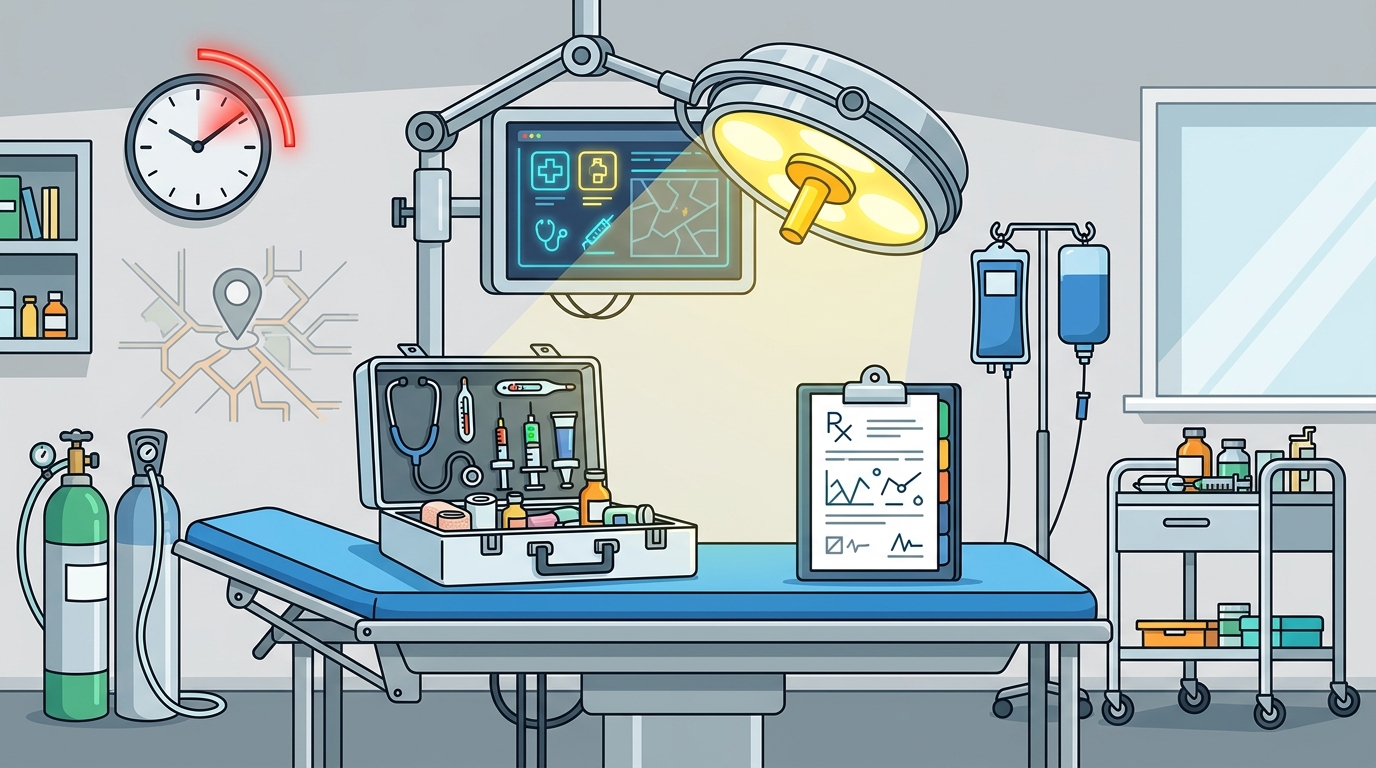
Preparation is the best defense against emergency stress. Alongside finding a trusted emergency vet near me, you should prepare a physical emergency kit for your pet. This kit should include basic first aid supplies, a copy of your pet's medical records, and a list of current medications.
Essential items for your kit include:
- Muzzle: Even gentle pets may bite when in pain.
- Sterile Gauze and Tape: For controlling bleeding.
- Saline Solution: For flushing eyes or wounds.
- Flashlight: For examining pupils or oral cavities.
Keep this kit in an easily accessible location. Regularly check the expiration dates of any medical supplies. Being prepared allows you to focus on getting to the clinic quickly rather than scrambling for supplies during a crisis.
Key Takeaways
- Act Quickly: 20% of emergencies require intervention within the first hour to ensure survival.
- Verify 24/7 Status: Ensure the clinic offers true round-the-clock care, not just after-hours.
- Use Aggregators: Platforms like Pawgrades provide verified reviews and location data.
- Check Capabilities: Prioritize clinics with on-site surgical and diagnostic facilities.
- Prepare a Kit: Keep a first aid kit and medical records ready at all times.
- Know the Costs: Ask about payment plans and insurance acceptance before an emergency occurs.
- Map Your Options: Identify multiple clinics in different areas if you travel frequently.
Frequently Asked Questions
How do I know if my pet needs an emergency vet?
If your pet is experiencing difficulty breathing, severe bleeding, loss of consciousness, or ingestion of a toxic substance, seek emergency care immediately. Do not wait for regular office hours.
What is the difference between an emergency vet and an urgent care vet?
Emergency vets are equipped for life-threatening conditions and operate 24/7 with surgical capabilities. Urgent care vets typically handle less critical issues and may have limited hours.
Can I use pet insurance for emergency visits?
Most pet insurance plans cover emergency visits, but coverage varies. It is crucial to check your policy details and ask the clinic about direct billing options.
How can I find a trusted emergency vet near me?
Use online directories like Pawgrades search to filter by location and verified reviews. Always call the clinic to confirm their current emergency status and capabilities.
What should I bring to the emergency vet?
Bring your pet's medical records, a list of current medications, a leash or carrier, and any relevant information about the incident, such as what toxin was ingested.
Are emergency vets available on holidays?
Most dedicated emergency veterinary hospitals operate 24/7, including holidays. However, staffing levels may vary, so it is wise to call ahead if possible.
How much does an emergency vet visit cost?
Costs vary widely based on the severity of the condition and the services required. Initial exams can range from $100 to $300, with additional costs for diagnostics and treatment.
Find Your Local Emergency Vet
Do not wait for a crisis to identify your care options. Take the time today to research and save the contact information for a trusted emergency vet near me. Use Pawgrades to browse top-rated clinics in your area and verify their emergency capabilities. Your pet's health and safety depend on your preparedness.