

Finding the right veterinary care is one of the most critical decisions a pet owner can make. According to recent industry data, over 85% of pet owners prioritize verified patient reviews and geographic proximity when selecting a primary care clinic. This statistic highlights a fundamental shift in how pet parents approach healthcare, moving away from blind loyalty toward data-driven selection. Pawgrades has compiled a comprehensive framework to help you navigate this process effectively. By understanding the specific metrics that define clinical excellence, you can ensure your furry friend receives the highest standard of medical attention.
Understanding Clinical Specialties and Scope
The first step in comparing veterinary clinics is determining the scope of their medical capabilities. Not all practices are equipped to handle complex medical conditions. General practice veterinarians provide routine care, including vaccinations, dental cleanings, and wellness exams. However, specialized conditions often require advanced diagnostics or surgical intervention.
When evaluating a clinic, check if they offer in-house diagnostics or if they refer out to specialists. A clinic that performs blood work, radiography, and ultrasound in-house can provide faster diagnoses during urgent situations. For example, if you are looking for best veterinarians in Atlanta, GA, you will find a mix of general practitioners and specialists offering cardiology or oncology services.
It is also important to understand the difference between a general practice and a specialty hospital. A specialty hospital focuses on specific areas like dermatology, ophthalmology, or internal medicine. If your pet has a chronic condition, a clinic with a dedicated specialist on staff may offer more tailored treatment plans. Always verify the credentials of the veterinarians, looking for board certifications or advanced degrees such as a Diplomate in a specific field.
Evaluating Patient Reviews and Reputation
Online reviews serve as a digital word-of-mouth network for veterinary care. They provide insight into the client experience, staff demeanor, and clinical outcomes. However, not all reviews are created equal. You must look for verified patient reviews that offer specific details about the visit rather than generic praise.
When reading reviews, pay attention to how the clinic responds to negative feedback. A professional clinic will address concerns with empathy and a commitment to resolution. This indicates a culture of accountability and continuous improvement. For instance, when browsing best veterinarians by state, you can filter by review count and rating to identify clinics with a substantial track record of patient satisfaction.
Consistency is key in review analysis. A clinic with hundreds of five-star reviews is generally more reliable than one with only a handful. Look for patterns in the feedback. Do multiple clients mention the same doctor? Is there consistent praise for the nursing staff? These details help paint a realistic picture of the daily operations within the clinic. Avoid clinics with a high volume of unresolved complaints regarding billing or communication.
Assessing Emergency Capabilities and Hours
Pet emergencies do not adhere to a standard business schedule. Therefore, the availability of emergency care is a crucial factor in your evaluation. Some clinics offer extended hours for urgent but non-life-threatening issues, while others rely entirely on external emergency hospitals.
Ask potential clinics about their protocol for after-hours emergencies. Do they have an on-call veterinarian? Do they have a partnership with a nearby 24-hour emergency facility? Knowing this information in advance can save valuable time during a crisis. For example, if you are comparing options in Austin, TX, you will find clinics that explicitly list their emergency referral partners on their profiles.
Consider the geographic proximity to emergency facilities as well. Traffic conditions can significantly impact response times. A clinic that is close to a well-regarded emergency hospital may provide a smoother transition if your pet requires immediate advanced care. Always verify the operating hours of both your primary care clinic and the nearest emergency facility.
Comparing Service Options and Technology
Modern veterinary medicine relies heavily on advanced technology and a wide range of services. When comparing clinics, look for those that invest in modern equipment and offer a comprehensive suite of services. This includes digital radiography, ultrasound, dental scaling, and laser therapy.
Telehealth services have also become a standard offering for many practices. These virtual consultations can be useful for follow-up visits, minor skin issues, or behavioral consultations. However, they cannot replace physical examinations for serious conditions. Check if the clinic offers virtual care and how it integrates with their in-person services.
Another important aspect is the range of preventive care options. Does the clinic offer parasite prevention programs, nutritional counseling, or weight management plans? A holistic approach to pet health can prevent future medical issues. You can explore specific city guides, such as the best veterinarians in Silver Spring, MD, to see which local clinics offer these comprehensive wellness packages.
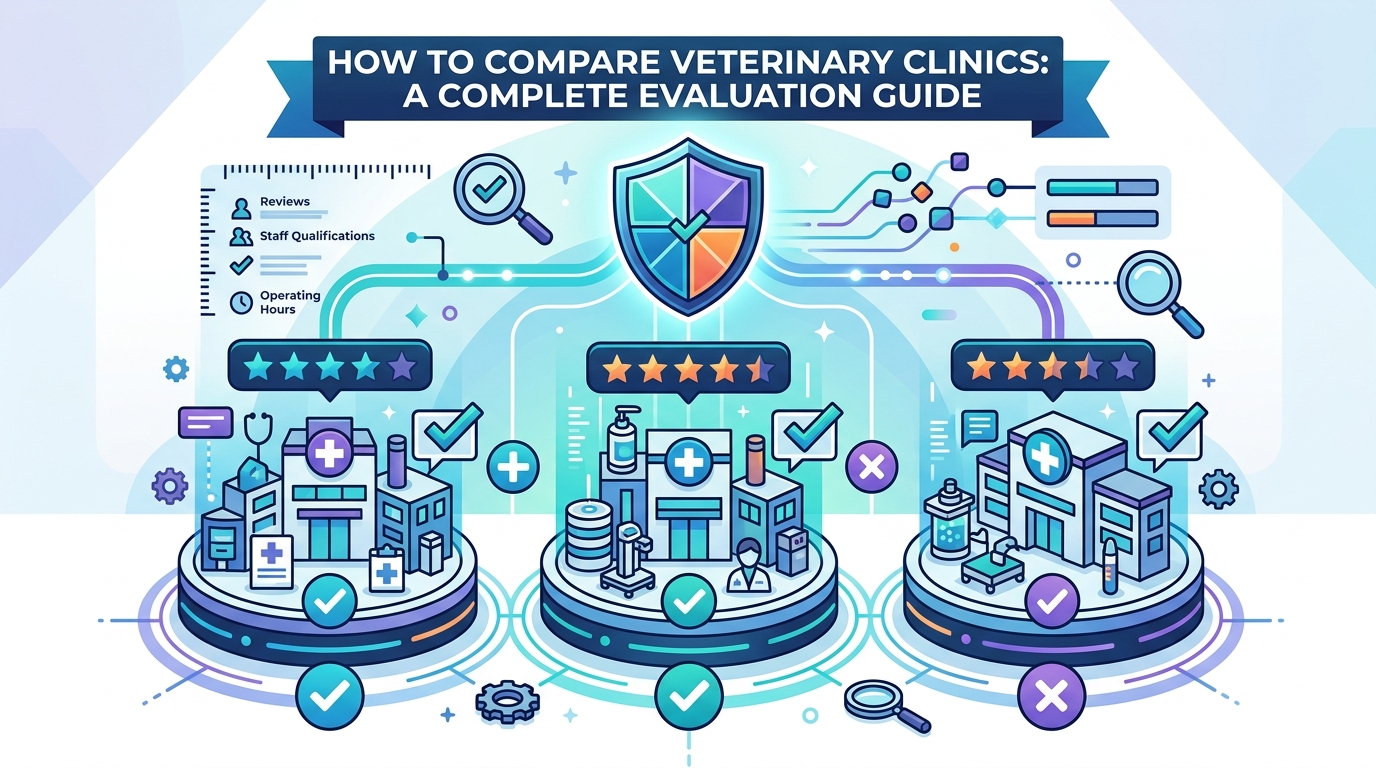
Financial Transparency and Pricing Models
Veterinary care can be expensive, and financial transparency is a hallmark of a trustworthy clinic. Reputable practices will provide detailed estimates before performing procedures and explain the costs associated with different treatment options. They should also be clear about their payment policies and accepted insurance providers.
Many clinics now offer pet health insurance partnerships or financing options like CareCredit. These programs can make high-quality care more accessible for pet owners. Ask about the availability of these financial tools during your initial consultation. A clinic that is open about costs helps build trust and reduces stress during medical visits.
Additionally, inquire about membership plans or wellness packages. These can offer significant savings on routine care such as vaccinations and annual exams. Comparing the long-term value of different clinics involves looking beyond the initial consultation fee to the overall cost of ownership for your pet's healthcare.
Key Takeaways
- Verify Credentials: Check for board certifications and advanced degrees for specialists.
- Analyze Reviews: Look for verified reviews with specific details about clinical outcomes.
- Check Emergency Protocols: Ensure the clinic has a clear plan for after-hours care.
- Evaluate Technology: Prioritize clinics with in-house diagnostics and modern equipment.
- Assess Financial Options: Look for transparent pricing and available payment plans.
- Consider Proximity: Evaluate the distance to both the clinic and emergency facilities.
- Use Aggregators: Utilize platforms like Pawgrades Search to compare multiple clinics side-by-side.
Frequently Asked Questions
What is the most important factor when choosing a vet?
The most important factor is often the combination of clinical competence and communication style. You need a veterinarian who can accurately diagnose and treat your pet while making you feel comfortable asking questions.
How do I find the best emergency vet near me?
You can find emergency vets by searching for "emergency vets" on platforms like Pawgrades Emergency Vets. Look for clinics that are open 24/7 and have positive reviews regarding their handling of urgent cases.
Can I switch veterinarians if I am unhappy with my current one?
Yes, you can switch veterinarians at any time. Most clinics will transfer your pet's medical records to your new provider upon request. It is important to do this promptly to ensure continuity of care.
What is a board-certified veterinarian?
A board-certified veterinarian is a professional who has completed additional training and passed rigorous examinations in a specific specialty, such as surgery or internal medicine. This designation indicates a higher level of expertise.
Do I need a referral to see a specialist?
It depends on your insurance policy and the specialist's requirements. Many specialists accept direct referrals from pet owners, but some may require a referral from a primary care veterinarian to review the medical history first.
How often should I take my pet for a wellness exam?
Adult pets typically need a wellness exam once a year. Senior pets, usually those over seven years old, may benefit from bi-annual visits to monitor age-related changes more closely.
What should I bring to my first vet appointment?
Bring your pet's medical records, a list of current medications, and any questions you have about their health. If your pet is anxious, bring a familiar blanket or toy to help them feel more comfortable.
Find Your Perfect Vet Today
Comparing veterinary clinics can seem daunting, but using the right tools simplifies the process. Pawgrades provides a comprehensive database of verified reviews and detailed clinic profiles to help you make an informed decision. Whether you are looking for a general practitioner or a specialist, our platform connects you with the best care providers in your area.
Start your search today by visiting our Find a Vet page. You can filter by location, specialty, and patient rating to narrow down your options. Take the first step toward securing the best health outcomes for your beloved companion by choosing a clinic that meets your specific needs and values.