

Use Pawgrades to find verified vet ratings and reviews. This platform aggregates over 200,000 patient reviews from pet parents across the United States. It allows you to compare clinics by star rating, read detailed feedback, and check if a practice is currently accepting new patients. This guide covers how to use review platforms, verify professional credentials, and understand accreditation directories to choose the best clinic for your dog.
Veterinary Review Platforms
Choosing a veterinarian is a critical decision for any dog owner. You need a reliable source of information that goes beyond a simple phone number. Veterinary review platforms are digital directories that aggregate feedback from pet owners who have visited specific clinics. These platforms provide a window into the quality of care, staff professionalism, and facility cleanliness. They help you filter out practices that may not align with your expectations for your pet's health.
The Role of Verified Reviews
Not all online reviews are created equal. A high-quality platform distinguishes between verified patient reviews and unverified comments. Verified reviews come from users who have actually booked an appointment or visited the clinic. This reduces the risk of biased or fake feedback. When you read a review on a trusted platform, you are seeing the experience of a real pet parent. Look for reviews that mention specific details, such as how the vet handled a difficult exam or how they explained a diagnosis.
Filtering by Location and Specialty
Geographic proximity is often the first factor in choosing a vet. However, you also need to consider the specific needs of your dog. Some clinics specialize in general practice, while others focus on surgery, cardiology, or emergency care. Pawgrades search tools allow you to filter results by location, rating, and accepted patient types. You can narrow your search to find clinics that treat dogs specifically. This ensures you are looking at relevant data rather than generic feedback for all animal types.
Understanding Rating Metrics
Star ratings provide a quick snapshot of a clinic's reputation. However, you should look at the volume of reviews alongside the average score. A clinic with a 4.8-star average based on 500 reviews is generally more reliable than one with a 5.0-star average based on 5 reviews. The latter may be an outlier or a new practice. Review platforms often display the total number of reviews to help you gauge the sample size. This metric helps you make a more informed decision about the consistency of care.
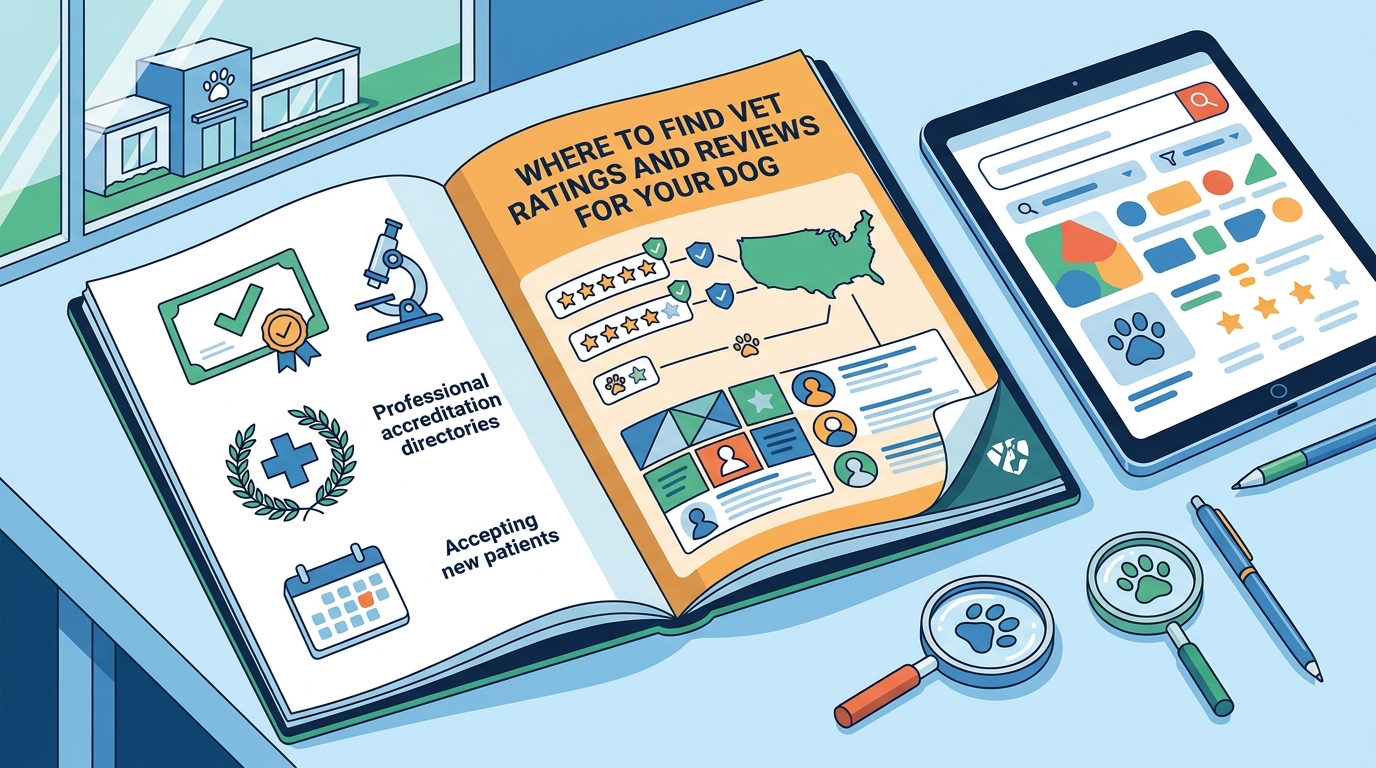
Accreditation Directories
While reviews reflect patient satisfaction, accreditation reflects professional standards. Accreditation is a formal process where an independent body evaluates a veterinary facility against specific quality benchmarks. These benchmarks cover areas such as infection control, emergency preparedness, and staff training. Accreditation is a voluntary process, meaning not all high-quality clinics are accredited. However, it is a strong indicator of a practice's commitment to excellence.
Why Accreditation Matters
Accreditation ensures that a clinic meets rigorous standards of care. It signals that the facility has undergone a thorough inspection by experts in the field. For dog owners, this means a higher level of safety and reliability. Accredited clinics are more likely to have modern equipment and up-to-date protocols. They also demonstrate a commitment to continuous improvement. When browsing a directory, look for badges or mentions of accreditation status. This can be a deciding factor when comparing two clinics with similar review scores.
How to Check Accreditation Status
You can verify a clinic's accreditation status through official veterinary association directories. These directories list facilities that have passed the accreditation process. They provide details on the scope of accreditation and the expiration date. It is important to check the date, as accreditation is not permanent. It must be renewed periodically. By cross-referencing a clinic's profile on a review platform with an official accreditation directory, you can build a complete picture of the practice's quality.
Professional Credentials Verification
The individual veterinarian you see is just as important as the clinic they work for. Professional credentials verification is the process of confirming a veterinarian's education, licensing, and board certifications. This step ensures that the person treating your dog is qualified and in good standing with their state veterinary board. It protects you from unlicensed practitioners or those with disciplinary history.
Understanding Board Certification
Board certification is a mark of advanced expertise. It indicates that a veterinarian has completed additional training and passed rigorous exams in a specific specialty. For example, a board-certified cardiologist has specialized knowledge in heart conditions. When looking at a vet's profile, look for designations such as DACVIM (Internal Medicine) or DACVS (Surgery). These credentials signal a higher level of training and commitment to their field. They are particularly important if your dog has a complex or chronic condition.
Checking State Licensing
All veterinarians must hold a valid license to practice in their state. You can verify this through your state's veterinary medical board. These boards maintain public records of licensed practitioners. They also list any disciplinary actions or license suspensions. Checking the license status is a simple but crucial step. It ensures that the veterinarian is legally allowed to practice medicine. Most review platforms include the veterinarian's license number or a link to the state board for easy verification.
Reviewing Educational Background
A veterinarian's educational background provides insight into their training. Look for the institution where they earned their DVM (Doctor of Veterinary Medicine) degree. Reputable veterinary schools provide a strong foundation in animal health. Some veterinarians also pursue residencies or fellowships for further specialization. This additional training can be beneficial for specific medical needs. By reviewing the educational background, you can assess the depth of the veterinarian's knowledge and experience.
Comparison of Verification Methods
| Method | What It Verifies | Source | Reliability |
|---|---|---|---|
| Patient Reviews | Quality of care, staff behavior, facility experience | Review Platforms | High (if verified) |
| Accreditation | Facility standards, safety protocols, quality benchmarks | Accreditation Bodies | Very High |
| State License | Legal right to practice, disciplinary history | State Veterinary Boards | Definitive |
| Board Certification | Specialized expertise, advanced training | Specialty Colleges | Very High |
Key Takeaways
- Use Pawgrades to access over 200,000 verified reviews from pet parents.
- Filter search results by location, rating, and specialty to find the best fit for your dog.
- Check the volume of reviews alongside the star rating to assess consistency.
- Verify clinic accreditation through official directories to ensure high standards of care.
- Confirm individual veterinarian credentials, including state license and board certification.
- Look for specific details in reviews, such as communication style and handling of anxious pets.
- Cross-reference review platforms with state veterinary boards for complete verification.
- Consider the clinic's acceptance status to ensure they are currently taking new patients.
Frequently Asked Questions
How do I know if a vet review is genuine?
Look for platforms that verify reviews through appointment records or patient accounts. Verified reviews are linked to actual visits, which reduces the risk of fake feedback. On Pawgrades, reviews are sourced from pet parents who have interacted with the clinic. This verification process adds a layer of trust to the ratings you see.
What is the difference between a general practice vet and a specialist?
A general practice veterinarian handles routine care, such as vaccinations and wellness exams. A specialist has completed additional training in a specific field, such as surgery or cardiology. Specialists often hold board certification. If your dog has a complex condition, you may need to see a specialist. You can find specialists by filtering your search on review platforms by specialty.
Are accredited clinics always better than non-accredited ones?
Accreditation is a strong indicator of quality, but it is not the only factor. Many excellent clinics are not accredited. However, accreditation ensures that a facility meets specific safety and quality standards. It is a good starting point for your search, but you should also consider reviews and credentials. A non-accredited clinic with high ratings and verified credentials may be a great choice.
How often should I check a vet's license status?
It is a good practice to check a vet's license status when you first choose a clinic. You can also check periodically if you have ongoing concerns. State veterinary boards update their records regularly. Most review platforms keep this information current. If you notice any discrepancies, contact the state board directly for clarification.
Can I find emergency vets using review platforms?
Yes, many review platforms allow you to filter for emergency care. This is useful if you need to find a clinic that is open late or on weekends. Look for clinics that list emergency services in their profile. You can also read reviews that mention emergency response times and care quality. This helps you prepare for unexpected situations with your dog.
What should I look for in a vet's profile?
Look for the veterinarian's name, credentials, and years of experience. Check the services they offer and the types of animals they treat. Read the reviews to get a sense of their communication style and bedside manner. Also, check if the clinic is accepting new patients. A complete profile gives you a clear picture of what to expect during your visit.
Is it worth driving farther for a higher-rated vet?
It depends on your dog's needs and your schedule. For routine care, convenience is often a priority. For complex or chronic conditions, a higher-rated vet or specialist may be worth the extra travel. Consider the distance and time involved. You can use map tools on review platforms to compare locations. Weigh the benefits of higher ratings against the inconvenience of travel.
How do I book an appointment after finding a vet?
Conclusion
Finding the right veterinarian for your dog requires a combination of research and verification. By using a trusted platform like Pawgrades, you can access verified reviews and detailed clinic profiles. You should also check accreditation status and professional credentials to ensure the highest standards of care. This multi-faceted approach helps you make a confident decision. Start your search today and find the perfect vet for your furry friend.